Coros PACE Pro Review 2026: Is It Worth Buying?
Are you tired of charging your running watch every few days? The Coros Pace Pro could be the answer you need. It keeps going for about 20 days on a single charge, so you can focus on your training instead of your charger.
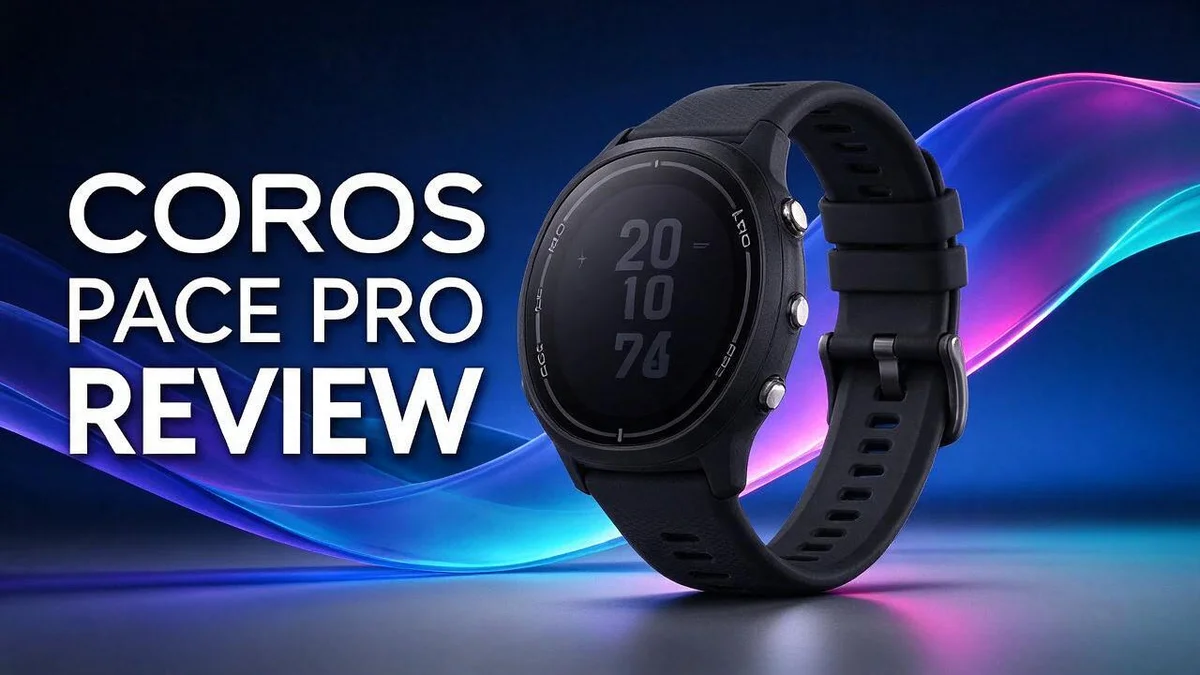
This lightweight watch packs a 1.3 inch AMOLED display that is easier to read mid run. It also features a faster processor, a new heart rate sensor, and a new GPS chipset. Runners who want pinpoint GPS accuracy will appreciate how well it tracks every step.
Maps are another highlight. You can download offline global maps and regional topo maps, which helps you explore new trails without a phone signal. It is a clear step up from the Pace 3.
In a Nutshell
- Built for runners first: The Coros Pace Pro focuses mainly on running. It also tracks other activities and sleep, so it suits people who want one watch for daily life.
- Pinpoint GPS tracking: A new GPS chipset and antenna help it lock onto your route quickly. Your pace and distance data stay accurate on trails, roads, and city streets.
- Upgraded heart rate sensor: The new sensor gives you steady readings during hard intervals and easy recovery runs. Steady data helps you train in the right zones.
- Faster processor: Menus and workouts respond quicker than older models. You spend less time waiting and more time focused on your run.
- A clear step up: Runners moving from the Pace 3 get a faster chip, better sensors, and a smoother experience. It feels like a real upgrade for regular training.
- Direct sibling to the Pace 4: The Pace Pro sits beside the Pace 4 in the Coros lineup. Compare features like training tools and display feel before you decide which fits your routine.
Display and Design

Last update on 2026-11-12 / Affiliate links / Images from Amazon Product Advertising API
The display matters more than many runners expect. When your legs feel heavy at mile eight, you need one quick glance. A clear screen gives you that answer in a second. The Pace Pro keeps its layout simple, so key numbers stand out.
Design choices also shape how the watch feels during daily wear. Many runners wear their watch all day and through the night. Since the watch tracks sleep as well, comfort becomes a real concern. A comfortable fit helps it sit on the wrist without constant adjusting.
Outdoor runs test any screen in different ways. Bright sun, dark tunnels, and early morning gloom all change what you see. Think about where you train before you judge a screen. A watch that works in every setting saves frustration on tricky routes.
Layout also shapes the workout experience. Clear labels help you read pace, heart rate, and distance without guessing. Less clutter on screen keeps your attention on the run.
A simple design also suits runners who train across sports. The Pace Pro leans into running, yet it still logs other activities. Cyclists and gym visitors can use it without learning a new system.
Strap and fit deserve a quick check before you buy. A watch sits best when it rests snug but not tight. Try it on for a few minutes and move your wrist through typical running motions. Comfort on a short walk can differ from comfort after an hour.
Overall, the display and design suit daily runners who want clear data and easy wear. A readable screen and a comfortable body make training feel smoother. Your run should feel like the focus, not the gadget. Pick the look that matches your routine.
Small details like these add up over weeks of training. Good design earns trust one run at a time.
GPS and Heart Rate Accuracy
Good data starts with good signals. Your watch needs a clear view of the sky and steady skin contact to record accurate numbers.
The Coros Pace Pro uses a new GPS chipset and antenna. Its pace and distance readings should stay close to your real route, but surroundings still matter.
Tall buildings, dense tree cover, and deep canyons can block satellite signals. Start your run in an open area. Give the watch a minute to settle before you start pacing.
Heart rate readings from any wrist sensor follow a simple rule. The watch must sit flat against your skin. A loose strap lets light leak in and causes jumpy numbers.
Wear the watch about a finger width above your wrist bone. Tighten it enough that it stays put during fast strides. Sweat and moisture can also affect readings, so wipe the sensor before each workout.
Cold weather can change results too. Cold skin often leads to less stable readings. Warm up your hands and check the fit before your first mile.
For key sessions, consider a chest strap as a second check. Chest straps measure your heartbeat directly. Use one for tempo runs or race efforts when you want extra confidence.
You can test your watch on a known route. Run a measured track loop or a path you have mapped before. Compare the distance on the screen with the known distance. This shows how the GPS behaves in your area.
Patterns matter more than single runs. Look at trends over several weeks instead of one odd reading. A single spike rarely changes your training plan, but steady drift might signal a fit problem.
Accurate data helps you pace smarter and recover better. Trust the numbers, but also trust how your body feels on the run. Small habits like these make every training session count.
Offline Mapping and Navigation
Maps work without a signal on the Coros Pace Pro. Many trails run through remote areas with no cell coverage. Saved maps keep you on course when your phone loses service.
The watch stores global offline maps and regional topo maps. You download the areas you need before you leave home. Downloads take a few minutes on a home network, so start early. Then you can follow your route even when your connection drops.
Topo maps show more than roads and paths. They reveal hills, valleys, and contour lines. This helps you judge a climb before you reach the base of it. Runners who train on new ground will value that insight.
Load your route before the run starts. Build or import a course in the Coros app and send it to the watch. The screen then shows your path and the direction you need to take.
Clear route lines matter most at junctions and in busy parks. A quick glance tells you which way to go. You spend less time stopping to check your position, so your effort stays steady.
Trail runners often search for quiet loops. Maps reveal side paths and shortcuts you might miss. Exploring with confidence makes each outing more fun.
Map use takes more battery than basic screens. Switch to a simpler data view on easy sections. This habit stretches your power for long events and several day trips.
Practice on the route first. Walk or jog the course once with the watch in hand. Check that the map matches what you see on the trail. This test builds trust before race day.
Map tools work best when you know their limits. Keep a paper map or a phone backup for remote hikes. Good preparation keeps every outing safe and enjoyable.
Top 3 Alternatives
Garmin Forerunner 265

Last update on 2026-11-11 / Affiliate links / Images from Amazon Product Advertising API
The Garmin Forerunner 265 suits runners who want a bright screen. Its vivid AMOLED display stays clear in direct sunlight.
The watch also tracks training readiness and body battery. These tools show when to push hard and when to rest.
You can follow training plans and monitor sleep each night. Connected features also show notifications from your phone. Many runners find it light and comfortable for daily wear.
Polar Vantage V3


Last update on 2026-11-10 / Affiliate links / Images from Amazon Product Advertising API
The Polar Vantage V3 focuses on training science and performance data. It uses a precise optical heart rate sensor for steady readings during workouts.
Its recovery guidance helps you plan rest days with confidence. Users can review trends across weeks and months. Detailed training load reports show how hard your body works each week.
Cyclists can add power data for a fuller view of their effort. Sleep tracking adds another layer to the recovery picture.
Suunto Race

Last update on 2026-11-12 / Affiliate links / Images from Amazon Product Advertising API
The Suunto Race fits adventurers who explore trails and remote areas. It includes offline maps so you can find your way without a phone signal.
The watch has a sturdy build with sapphire crystal glass. Its battery lasts for many days, so trips can run longer without a charge.
Hikers and trail runners often value this balance of durability and endurance. It also includes a flashlight for early morning or night runs. It keeps the focus on the journey, not the charger.
Training and Sleep Tracking
Rest matters as much as miles. Your body grows stronger during sleep, not during the run itself. The Coros Pace Pro tracks sleep, so you can see how rest fits into your training week.
Many runners only check pace and distance. Sleep data adds a second view. When you compare a short night with a hard workout, the link often becomes clear.
Look for patterns over several nights. One rough night means little on its own. A pattern of poor sleep during heavy weeks is a clear signal to ease off.
Resting heart rate tells a quiet story. Your resting heart rate often rises when you feel tired or stressed. Checking it each morning gives you a simple daily check on recovery.
Heart rate data also helps you train at the right effort. Easy days should feel easy. If your heart works too hard on a slow jog, you may need more rest before the next hard session.
Recovery days count as training too. Many runners push every run and skip rest. Smart training includes easy days, short walks, and early bedtimes.
Sleep also affects mood and focus. A rested runner often makes better choices on the road. You may notice steadier pace and calmer breathing after a full night of sleep.
Keep a simple habit. Wear the watch at night for a full week. Then compare your sleep, resting heart rate, and workouts side by side.
Good sleep and smart training work as a team. Use the data as a guide, not a rule. Your body always gets the final say.
Talk with a doctor about ongoing issues. Poor sleep that lasts for weeks deserves professional care. A watch can point out patterns, but it cannot diagnose health problems.
Pair the watch with honest notes. Write down how you felt after each run. Over time, your notes and data tell a clear story.
Value and Price Positioning
The Coros Pace Pro suits runners who want long battery life and reliable tracking. Its features matter more than any single number on a spec sheet.
Battery life stands out most. The watch lasts about 20 days between charges. You can train for weeks without digging out a charging cable. Fewer charges also mean fewer missed runs.
Pinpoint GPS accuracy helps you trust every pace number. The new GPS chipset and antenna give steady tracking on open roads.
Clean route data also makes your training logs more useful later.
Offline maps add another layer of worth. You can load global maps and regional topo maps before a hike or trail run.
Your watch keeps working where cell signal fails. Many trails run through remote areas, so this feature matters.
Compare it with the Pace 4 first. The Pace 4 is its direct sibling, so the choice often comes down to small upgrades.
Some Reddit users say the AMOLED screen is easier to read on runs than the Pace 4 display.
Runners who upgrade from the Pace 3 notice a clear step up. The faster processor and new heart rate sensor make daily use smoother.
Garmin fans may look at the Forerunner 165 too. Both watches target runners, but Coros focuses on endurance and mapping depth.
The Apex 2 sits in the same Coros family. Comparing these models side by side helps you spot the features you truly need.
Trail runners gain the most. Offline maps and long battery life support long days outdoors. Casual joggers may use fewer features.
The watch also tracks sleep and other activities. One Reddit user calls it primarily a running watch, and that focus fits many buyers.
Think about your weekly routine first. List the features you use most. If battery life, maps, and GPS accuracy top that list, this watch fits your needs well.
Pros and Cons
Pros
– A faster processor keeps the watch quick during workouts.
– The lightweight design feels comfortable on long runs.
– The new heart rate sensor helps you track effort on hard sessions.
– It also tracks sleep and other activities alongside your runs.
Cons
– It is primarily a running watch, so other sports get less focus.
– Sleep and daily tracking play a supporting role to running.
– Public reviews are still limited, so read a few more before you decide.
Who Should Buy It
Some runners will get more from this watch than others. Think about your goals, your training habits, and how you plan to use your gear.
Race training fans should take a close look. Training for a 10K, half marathon, or full marathon needs steady progress. Each week builds on the last one, and clear data helps you see that progress.
New runners can benefit too. Starting out often feels confusing, and simple guidance makes it easier. A dependable watch lets you focus on building the habit instead of guessing how hard you pushed.
Busy people often prefer one device that handles training and daily life. Juggling several gadgets wastes time. A single watch keeps your routine simple and your focus on the run.
Data lovers will enjoy digging into the numbers. You can review pace trends and effort levels after each session. Over time, those notes reveal what works best for your body.
Some runners may want something else. If you want one watch for many sports, such as cycling, swimming, and strength work, look at options built for multisport training. Casual walkers who rarely track workouts may also find more features than they need.
Ask yourself a few simple questions. Do you train with a goal in mind? Do you want a watch that supports both running and daily habits? Do you enjoy studying your own numbers? Your answers will guide you toward the right choice.
Final Verdict
The bottom line is clear. The Coros Pace Pro suits runners who want a dependable tool for everyday training. It keeps the focus on your running.
Think about how you use your watch. Some people check numbers only after a run. Others glance at their pace every few minutes. Your style decides how much detail you need.
A watch cannot run for you. It gives feedback, but you still choose the workout and the effort. Use the data as a guide rather than a judge.
Many runners find a weekly review more helpful than checking each session. Look at trends across several weeks. You will spot patterns in pace, effort, and recovery over time.
Consistency beats perfection. Missing one run does not ruin your progress. A steady routine with a reliable watch often matters more than chasing the newest feature.
Set a small goal before you start. Maybe you want to run three times each week or finish a local race. Let that goal guide how you read the numbers.
Build a simple charging habit. Plug in on the same day each week, such as Sunday evening. This keeps your watch ready for early morning runs. Small habits make the device feel effortless.
Keep your expectations realistic. No single device solves every training challenge. Pair this watch with good shoes, rest days, and a plan you enjoy.
Think about your friends and training partners too. Shared goals can keep you motivated. Ask a running buddy about their experience with their watch. Real stories help you decide with confidence.
Your next run starts with a choice. Decide what matters most to you. If long battery life and dependable tracking top your list, this watch deserves a spot on your wrist.
Take your time and compare features against your routine. Then choose the option that feels right. Happy running!
Frequently Asked Questions
Can I follow trail routes without a signal?
Yes, the watch stores maps on the device. It offers offline global mapping and regional topo maps. Download your area before you leave, so you can check your route on the trail even when your signal drops.
How long does the battery last on a trip?
The battery lasts about 20 days in typical use. That gives you room for a race week or a long training block. Frequent GPS tracking uses more power, so plan a charge if you run every day.
Does the GPS work well on city runs?
The watch offers pinpoint GPS accuracy, thanks to its new GPS chipset and antenna. Tall buildings can still cause small errors for any watch. Compare your route after each run to see how your data looks.
Is this watch a good pick for a first trail run?
It suits trail runners who want maps on their wrist. Keep your first trip short and simple. Check your route and battery level before you head out, so you can focus on enjoying the run.

Hi, I’m Lucy Jones, a dedicated watch enthusiast and reviewer. I spend my time hunting down, testing, and evaluating the most intriguing wristwatches on the market. My goal is to guide you through the overwhelming choices with honest, hands-on insights into every timepiece.