Polar Vantage V3 Review: Don’t Buy Until You See This
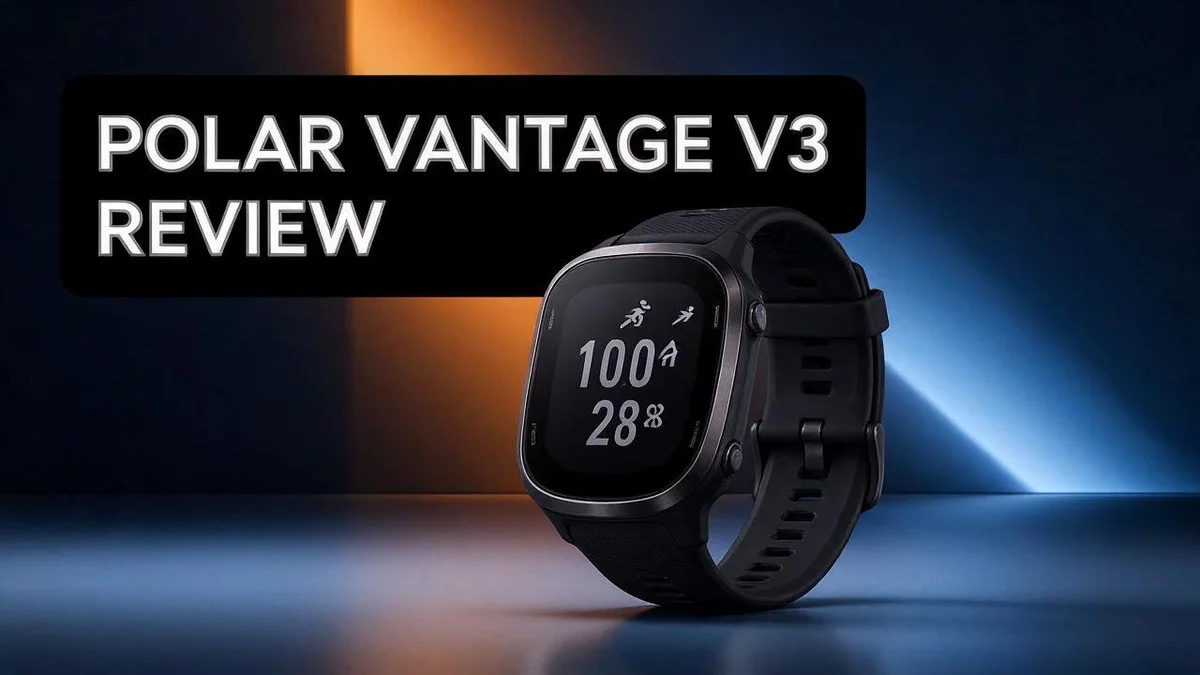
Are you searching for a sports watch that keeps up with your training? The Polar Vantage V3 might be the one. It packs a lot into one wrist device.
Its dual frequency GPS aims to keep tracking sharp, even when the signal gets weak. You also get an AMOLED screen and 32 GB of storage.
Optical heart rate, SpO2, and skin temperature sensors track your body during workouts and rest. Swim tracking, multisport modes, and music control from your phone add more fun.
So how does it really perform? We will look at the strengths, the weak spots, and who this watch suits best. Keep reading to decide if the V3 belongs on your wrist.
In a Nutshell
-
Quick touch controls: Cycling News rated the touchscreen as excellent. You can also use five physical buttons when your hands are wet or cold.
-
Room for music and maps: The watch holds 32 GB of storage. You can control your music right from your phone.
-
Swim tracking built in: The watch is waterproof and tracks your swims. You can switch between many sports on one device.
-
Mixed reviews on performance: One in depth review reported shaky mapping and heart rate results at times. Test it well before race day.
-
A durability question for trail fans: A prospective buyer asked whether the watch can handle hiking. Rough outdoor use remains an open question.
-
Strong rivals to compare: The Garmin Forerunner 965, Coros Apex 2 Pro, Suunto Race, Apple Watch Ultra 2, and Garmin Fenix 7 Pro all compete here. Compare the features that matter most to you.
GPS Accuracy and Navigation
GPS accuracy decides whether your data is worth trusting. Distance, pace, and route maps all depend on it. A small error can spoil a long training review.
Think about a trail run through dense forest. Tree cover often confuses simpler trackers. The Polar Vantage V3 aims to hold a steady line, so your track looks clean after you finish.
Navigation goes beyond a simple line on a map. You can follow a planned route right on your wrist. This helps you stay on course without pulling out your phone.
Map control matters too. The touchscreen and physical buttons let you zoom and pan with ease. Quick moves keep your eyes on the trail instead of the screen.
Open areas usually give the cleanest signal. City canyons with tall buildings can cause small jumps in your track. Plan extra checks when you run near busy streets.
Test the watch before a big adventure. Start with a short loop you already know well. Compare the recorded distance with the real distance. This simple check shows how the GPS handles your local terrain.
Keep one thing in mind, though. Some reviewers reported mixed mapping results. Treat your first few routes as a practice run. Carry a backup map on your phone for remote trips.
Clear skies help too. Give the watch two or three minutes outdoors before you begin. This gives the satellites time to lock on, so your starting point stays accurate.
Who gains the most from this navigation setup? Runners and cyclists who follow set courses will value it most. Casual walkers who only count daily steps may not need this level of precision.
Good habits make the GPS work better. Wait for a solid satellite lock before you start. Keep the watch away from tight sleeves, and update the software regularly.
Health and Training Sensors
Your body sends many signals during every workout. The Polar Vantage V3 reads them through its optical heart rate, SpO2, and skin temperature sensors.
Heart rate shows how hard you push. Training zones help you keep easy days easy. They also help you make hard days count.
Blood oxygen adds another layer. SpO2 readings can show how your body copes with altitude or heavy effort. Check them often when you travel to high places.
Skin temperature offers a quieter clue. A small rise can hint that your body is fighting off an illness or needs extra rest.
Sleep and recovery data work as a team. Overnight readings show whether your body repaired itself after a tough session.
Trends matter more than single numbers. One odd reading means little. Several days of similar readings reveal a real pattern.
Recovery insights can guide your rest days. When readings stay above your normal range, an easier session may serve you better than a hard interval.
Strength athletes can also use heart rate data. Rest periods between sets become easier to judge when you see your heart rate drop.
Serious athletes will gain the most from this data. Casual walkers may find the detail more than they need each day.
Sensor accuracy depends on fit. Wear the watch snugly above your wrist bone, and let it settle for a few minutes before a workout.
Give the watch a few weeks. Your baseline becomes clearer over time, so patience pays off with better insights.
Tip: pair the data with how you actually feel. Sore legs or low motivation often tell a story the sensors miss.
Data should guide, not replace, your coach. If you work with a coach, share your reports together. They can spot patterns you might miss.
Display and Touchscreen Controls
The Polar Vantage V3 features a newer AMOLED display that gives the watch a fresh look. Information appears clearly on screen. You can check your stats with a quick glance.
The screen also responds to touch. Reviewers at Cycling News rated the touchscreen responsiveness as excellent. Taps register quickly. Swipes move smoothly through menus.
Touch controls suit many athletes. Yet some people still prefer physical buttons. The watch solves this with five physical buttons plus the touchscreen. You get two ways to control the watch.
Why does this matter? Sweaty hands or cold fingers can make touch input harder. Physical buttons give you a reliable backup. You can start a workout without staring at the screen.
Wet conditions matter too. Water can trigger accidental taps on many touchscreens. Physical buttons help you avoid unwanted inputs during rain or swims.
Picture a cycling ride on a bumpy road. Your hands stay busy on the handlebars. A quick press can pause the timer. Buttons feel more certain when movement shakes your arm.
Here is a simple tip. Practice your main controls at home first. Learn which button starts, stops, and laps. Muscle memory saves time on the course.
The touchscreen also helps when you browse data. Swipe through heart rate, sleep, and training stats with ease. Each swipe takes you to the next screen.
Who benefits most from this setup? Triathletes and cyclists who switch tasks mid workout will value the mix. Runners who wear gloves in cold weather may lean on the buttons.
Test the feel of each control during a short walk. Note how quickly the screen reacts. Notice whether you reach for buttons naturally.
Here is the bottom line. Touch handles quick browsing, and buttons handle quick actions. Try both before a big event. Your hands will tell you which style feels natural.
Top 3 Alternatives
Looking for a new sports watch? These three options give runners and triathletes strong training tools. Each one suits a different style of training.
Garmin Forerunner 265

Last update on 2026-11-12 / Affiliate links / Images from Amazon Product Advertising API
The Garmin Forerunner 265 has a bright AMOLED screen that is easy to read outdoors.
It tracks running, cycling, and swimming with ease. Training readiness and recovery advice help you plan each week.
Its battery lasts for days in smartwatch mode, so you can wear it all day and night.
Coros Pace 3

Last update on 2026-11-13 / Affiliate links / Images from Amazon Product Advertising API
The Coros Pace 3 is light and simple to wear. It feels comfortable on long runs.
Its battery life is excellent for trips that last several days. You get clear pace data, heart rate tracking, and helpful route guidance.
Many runners like its clean design and easy menus.
Suunto Race

Last update on 2026-11-12 / Affiliate links / Images from Amazon Product Advertising API
The Suunto Race is built for active people who love outdoor sports. It has a sturdy case that handles rough conditions well.
It offers strong navigation features for trail runners and hikers. You can also track your training load and recovery over time.
Durability and Outdoor Use
Outdoor adventures put any watch to the test. Rain, mud, dust, and cold can wear down even good gear. Here is how the Polar Vantage V3 fits into that kind of use.
The watch offers water resistance and supports swim tracking. This means rain, sweat, and splashes are less of a worry during everyday outings. Still, water resistance does not mean the watch can handle every wet situation.
The research mentions high-grade materials, according to one user report. Good materials often support a longer life. However, materials alone do not prove that a watch can survive rough treatment.
Hiking durability is still an open question. A prospective buyer raised this concern in the research. Rocky trails, falls, and hard knocks can test any watch case and strap.
Think about a weekend hike. Your wrist may bump against branches, rocks, or a backpack strap. Check the case and buttons after each trip to spot any early wear.
Cold weather adds another challenge. Low temperatures can drain the battery faster than usual. Wear the watch under a jacket cuff while you wait at a trailhead to keep it warm.
Dust and sand also deserve attention. Grit can settle around buttons and seams over time. Rinse the watch with fresh water after trips near the beach or on dusty trails.
Straps take a lot of wear. Sweat, sunscreen, and sun exposure can weaken them over time. Replace a worn strap early, so the watch stays secure during long efforts.
Drops are another risk on rough ground. A screen protector and a snug case can reduce scratches and cracks. Protective accessories often make a bigger difference than people expect.
Reviewer notes call for caution. One in-depth review reported shaky performance at times. That report suggests you test the watch on a short outing before you commit to a long trip.
The bottom line is clear. The Polar Vantage V3 has the features for outdoor fun. Still, hard trail use deserves a careful trial run before a big adventure.
Smart Features and Storage
Smart features turn a watch into a useful training partner. The Polar Vantage V3 packs several helpful tools into one device.
Storage gives you room to grow. The watch includes 32 GB of storage. That space holds plenty of workout history. You can keep past sessions close at hand for review.
Music control keeps the beat going. The watch supports music control from your phone. You can pause or skip songs without digging for your device. This comes in handy during long runs or steady rides.
Tracking works around the clock. The watch offers 24 hour tracking. Your daily movement and rest stay in one place. This gives you a fuller picture of how each day unfolds.
Multi sport support adds flexibility. You can switch between running, cycling, and gym sessions with ease. Each activity gets its own record. This keeps your training history neat and easy to read.
GPS helps when signals weaken. The watch uses dual frequency GPS with multiple satellite bands. Polar claims this improves accuracy in low signal conditions. Routes through tight city streets or dense trees can benefit from this extra support.
Setup takes only a few minutes. Pair your phone before a big workout. This helps your music controls and data stay linked. A quick check before you leave the house can save time later.
Who gains the most from these tools? Runners who train outdoors often value the GPS. Commuters and daily walkers may enjoy the round the clock tracking. Multi sport athletes will appreciate having one device for every activity.
Overall, the smart features stand out. Storage, music control, and constant tracking make the Polar Vantage V3 a versatile choice for everyday training.
Pros and Cons
Pros
– Optical sensors track heart rate all day long.
– SpO2 readings show your blood oxygen levels.
– Skin temperature data adds useful recovery context.
– Sleep and recovery tracking helps you plan rest days.
– Lap time tracking makes interval sessions easy to review.
Cons
– The research includes few long term user reports.
– Some newer features have less real world testing so far.
– Rivals like the Coros Apex 2 Pro offer similar core features.
Who Should Buy It
Not every buyer will get the same value from this watch. It fits people who train with a clear plan and enjoy reviewing data after each session.
Gym lifters can also find it useful. Heart rate readings help guide rest periods between strength sets. Many lifters skip this kind of data, yet it shows how hard the body works during each circuit.
Polar users will likely feel at home. Their routines may feel familiar, which makes the switch easier. Sticking with a brand you know can save time during setup.
iPhone owners should compare options carefully. The Apple Watch Ultra 2 works best with an iPhone and offers deep phone links. Shoppers who want a full sport watch may find both choices appealing.
Garmin fans often ask how this watch stacks up. The Garmin Forerunner 965 is a common choice for runners who love detailed metrics. Comparing both side by side can reveal which features matter most to you.
Weekend racers can use the watch to track progress across events. Consistent data over several months can show real gains. Race day results also show how well your training paid off.
Casual walkers may find this watch too complex. Someone who wants step counts and simple sleep notes might not need every training tool. A simpler device can feel easier to live with each day.
The ideal buyer trains often and wants detailed insight into every session. Reading more user reports and trying the watch in a store can help you decide. If you need a device for rough outdoor use, wait for more real world feedback first.
Final Verdict
Our final take is simple. The Polar Vantage V3 suits a specific kind of athlete. It works best for people who love data and train with purpose.
Start with your daily routine. Look at how often you train and where you train. A watch should match your habits, not just your goals. Honest answers lead to a better choice.
Test the fit before you commit. Wear the watch for several days if you can. Check how the screen looks in bright sun. Notice how it feels during long sessions on your wrist.
Compare the top rivals side by side. Many shoppers weigh this model against the Garmin Forerunner 965 and the Suunto Race. Each option brings its own strengths. Read the features that matter most to you and rank them.
Think about your phone and apps. Your phone brand shapes how smoothly the watch syncs. Daily use depends on that connection. A reliable link keeps your training data flowing and your motivation high.
Expect a short learning curve. Menus and data screens take time to master. Plan a few easy sessions to explore the options. Patience pays off once the layout feels natural.
Weigh the open questions carefully. Few long term reports exist so far. Some newer features need more proof in everyday use. Buyers who want fully proven results may prefer a more established model.
Your final thought. This watch rewards curiosity and consistency. Choose it if you enjoy digging into training details every single day. You will get the most from it when you use it often.
Keep your expectations realistic. No device fixes every training problem. The watch gives you numbers, but you still need rest, good form, and smart planning to improve. Pair the data with your own feelings for the best results.
Frequently Asked Questions
Is the touchscreen easy to use during workouts?
The touchscreen responds quickly, and some reviewers rate it as excellent. You also get five physical buttons as a backup. Mix both controls to find what feels natural during a hard session. Many athletes like having buttons they can press without looking.
Can I wear it for swimming?
Yes, the watch is waterproof and includes swim tracking. You can log pool sessions without changing devices. It also tracks multiple sports, so you can switch from swimming to running in the same day. Check the sport menu before your first swim so you choose the right mode.
Does the AMOLED display make a difference?
The AMOLED screen is a newer feature on this model. It helps your stats stay easy to read at a glance. Bright colors and clear data screens make checking your pace much simpler during training. Still, the display is only one part of the experience, so consider how you plan to use it.
Is the mapping reliable for navigation?
Some reviewers report shaky mapping and other performance issues at times. Test the maps on a short, familiar route before you rely on them. Also, durability for hiking and rough outdoor use is still an open question, so trail runners should read recent feedback closely.

Hi, I’m Lucy Jones, a dedicated watch enthusiast and reviewer. I spend my time hunting down, testing, and evaluating the most intriguing wristwatches on the market. My goal is to guide you through the overwhelming choices with honest, hands-on insights into every timepiece.