Suunto Core 2 Review: Display, Sensors, Battery Life and Verdict
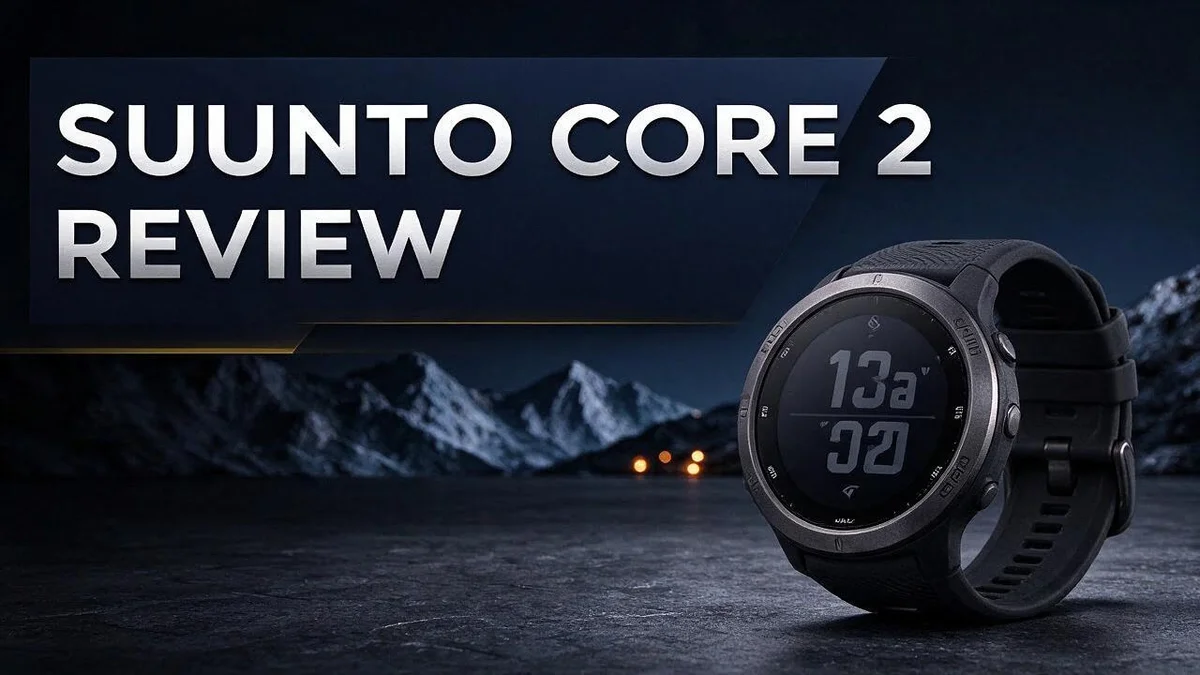
Looking for a watch that does the basics well? The Suunto Core 2 might be the answer. It is a classic ABC outdoor watch that packs an altimeter, barometer, and compass into one tough case.
This new model arrives in July 2026. Hikers, climbers, and weekend explorers will find plenty to like.
Here is what stands out. The display is reported to be 40% brighter than the original. It also has a switchable red and green backlight. That makes night use much easier.
Battery life gets a big boost too. You can get up to 15 months from a single CR3032 cell. The watch also syncs over Bluetooth with firmware updates.
It is rated to 10 ATM, so splashes, rain, and swimming are no problem. Early users praise the tactile buttons.
Still, there are some gaps. The Core 2 has no GPS and no wrist heart rate sensor.
In a Nutshell
-
Altitude, pressure, and direction in one watch. The ABC sensors give hikers useful readings without extra gear. You can check your height, weather shifts, and heading from the same wrist.
-
A screen that works well at night. The display switches between red and green backlight. Many outdoor fans prefer red light because it is gentler on night vision during camp chores or late walks.
-
Buttons that are easy to press. Early users praise the tactile controls and solid feel. You can use the watch quickly, even when your hands are cold or wet.
-
A simple option for basic outdoor use. This watch suits people who want fewer features and less fuss. Its layout stays clear, so you can find what you need without digging through menus.
-
Good for travel and day hikes. The altimeter and compass help you keep your bearings on unfamiliar trails. You do not need a phone open to check the basics.
-
Clear choices for buyers. If you need GPS or wrist heart rate, compare it with the Timex Expedition, Casio PRO TREK, or Seiko Prospex. Those rivals may fit better for training and route tracking.
Display and Night Visibility

Last update on 2026-10-29 / Affiliate links / Images from Amazon Product Advertising API
Reading a watch in the dark can be frustrating. The Suunto Core 2 tackles this with a 1.3 inch screen that stays easy to read. Its size gives numbers and icons plenty of room.
Your eyes adjust slowly after staring at bright phone screens. A red light protects that night vision. Many hikers prefer red because it keeps eyes ready for dark trails. Green offers a crisper look for quick checks.
Campers will appreciate this during late evenings in a tent. A quick press of the light button brightens the face without fuss. Hard to read screens waste time and frustrate tired hikers.
Brightness and battery life work together. Backlight use drains power, so short bursts make sense. Lighting the face only when needed helps the watch last longer on a single battery.
Glance readings matter most when a headlamp is in use. The altimeter and barometer data appear clearly in low light. You can check elevation without pulling out extra gear.
Reflections matter too. Glare from snow or wet rocks can wash out a screen during daylight. The backlight helps in those shadowy moments under dense trees.
People who wear the watch to bed or on overnight trips get extra value. A quiet glow helps check the time without waking a tent partner. Clear visibility makes the watch feel dependable.
Still, the backlight has limits. It does not replace a proper headlamp for reading maps. Pack a light for technical terrain, and use the watch for quick checks.
Test the display before a trip. Step outside at dusk and cycle through the modes. This simple check shows how the screen feels in your own setting.
Overall, the display suits casual night use well. It handles dusk walks, camp tasks, and early starts with ease. Serious night navigation still calls for more light.
Build and Water Resistance
The Suunto Core 2 feels built for real outdoor use. Its case handles bumps from rocks, branches, and pack straps with ease.
Many hikers want a watch that can take a few knocks. This model aims to deliver.
Water resistance is rated at 10 ATM, which equals 100 meters. That number matters more than many people expect. It means the watch handles rain, puddles, and lake swims without trouble.
However, it does not make the watch suitable for diving. Save a proper dive watch for scuba trips.
Think about everyday wear too. Sweat, sunscreen, and sea spray build up on a strap over time. Rinse the watch with fresh water after salty swims or muddy hikes.
This simple habit keeps the case and strap looking clean for longer.
Packing matters as well. Keep the watch in a padded pocket rather than loose in a bag with keys or tools. Metal objects can leave scratches on any watch face.
Cold weather brings its own challenges. Freezing air can stiffen straps and slow down button presses. Wearing the watch under a sleeve on winter walks helps keep it warm.
Strap fit also matters on the trail. A snug strap stops the watch from swinging on steep climbs. It also keeps the case from knocking against a hip belt or pack buckle.
Button care deserves attention after wet days. Dry the watch thoroughly before pressing the buttons again. Wipe away grit from the edges so the controls stay smooth.
Heat needs caution as well. Hot tubs, saunas, and steamy showers test any watch seal more than cool water does. Take the watch off before a long soak in heat.
Overall, the build suits hikers, campers, and casual swimmers. It handles everyday knocks and splashes with confidence. Treat it with basic care, and it should serve you well on many trails.
Outdoor Sensors and Tools
Sensors do much of the heavy lifting on the Suunto Core 2. The watch packs an altimeter, a barometer, and a compass into one case. Each tool gives you useful data.
The barometer reads the weather. Air pressure often drops before rain or wind arrives. A falling reading signals that conditions may change. Check it at the trailhead.
The altimeter tracks your climb. It shows your current elevation as you go up or down. Many hikers use these numbers to pace steep sections.
Elevation data helps you plan the day. Watching the gain tells you how much effort remains. You can judge whether a summit fits your timing.
The Core 2 works without GPS. You rely on a paper map or an offline map app for route details. The sensors fill the gap with pressure and height data.
Bluetooth syncing keeps your records together. The watch connects to your phone. You can review past outings in the companion app. Updates arrive without much fuss.
Calibration keeps readings accurate. Set the altimeter to a known elevation before you head out. Accurate starting points make trail data more useful.
Pressure readings suit casual outings best. They work well for day hikes and camping trips. Serious mountaineers may want extra tools for alpine routes.
Keep the sensors working well with simple care. Rinse off mud and sand after muddy walks. A quick wipe keeps grime away from the case.
Overall, the sensor set suits people who want simple, useful data. The watch gives you weather trends, height, and direction in one device. That balance makes it a helpful partner on many outdoor days.
Top 3 Alternatives
Casio F-91W

Last update on 2026-10-27 / Affiliate links / Images from Amazon Product Advertising API
The Casio F-91W is a simple digital watch. It keeps accurate time, shows the date, and includes an alarm and stopwatch.
Its battery can last several years, so you rarely need to replace it. It is light and comfortable for all day wear. This watch suits school, travel, and casual hikes well.
Timex Expedition Scout


Last update on 2026-10-29 / Affiliate links / Images from Amazon Product Advertising API
The Timex Expedition Scout offers a clear and easy to read dial. It has an indiglo backlight, so you can check the time on night walks.
You also get a timer, alarms, and a water resistant case. This model fits people who want an affordable outdoor watch with classic looks.
Garmin Instinct 2

Last update on 2026-10-28 / Affiliate links / Images from Amazon Product Advertising API
The Garmin Instinct 2 is a rugged GPS watch built for outdoor adventures. It tracks your heart rate, steps, and sleep every day.
It offers many activity modes, including running, cycling, and hiking. Battery life can last for weeks in smartwatch mode. This choice works best for people who want detailed fitness data and reliable navigation.
Battery Life and Syncing
The Suunto Core 2 uses a CR3032 coin cell battery. Under typical use, the battery can last up to 15 months. That long run means fewer battery changes over the life of the watch.
Your sync habits affect how long the battery lasts. Each sync sends data between the watch and your phone. Fewer, shorter sessions help the power last longer.
Bluetooth firmware updates arrive through the Suunto app. Keep the watch updated so it runs smoothly. Updates help the watch run better over time.
Pairing takes only a few minutes. Open the app, turn on Bluetooth, and follow the prompts. A stable connection makes the process faster. Stay close to your phone during the process.
If the watch does not connect, restart Bluetooth on your phone. Then try again while standing near the watch.
Battery replacement is simple, but it needs care. Use a small screwdriver and a fresh CR3032 cell. Check the seal before you close the back cover, since a loose seal can weaken water resistance.
Compare the Core 2 with its sibling model. The Suunto Core All Black lasts about 12 months on its battery, so the Core 2 gives you a longer run. Choose the model that fits your travel plans.
Plan battery checks before long trips. Replace the cell before a multi week expedition. A fresh cell gives you peace of mind on the trail.
Store the watch in a cool, dry place when not in use. Heat can speed up battery drain. Keep it away from direct sunlight on a dashboard.
Your phone battery matters too. Syncing drains both devices a little. Carry a power bank for long trips.
Check the sync log in the app after a trip. It shows when the watch last connected. This helps you spot gaps in your records.
Price and Value
The Suunto Core 2 packs many outdoor tools into one simple watch. It includes an altimeter, a barometer, and a compass. Those tools help with navigation and weather reading on the trail.
Real value depends on how you plan to use the watch. Hikers who want elevation and weather data without a phone screen often find it a good fit.
The brighter display helps you read the face at dawn or dusk. The red backlight can also help you keep your night vision on early camp mornings.
Battery life gives this model a clear edge within its family. The sibling Suunto Core All Black offers 12 months, while this watch lasts up to 15 months. That extra time suits people who head out only now and then.
Shoppers often compare this watch with the Timex Expedition, Casio PRO TREK, and Seiko Prospex. Each brand brings its own style and feature mix. Line them up side by side before you decide.
Missing features may matter to some buyers. The watch has no GPS and no wrist heart rate. Runners and trail racers who track pace and heart rate may prefer a different device.
Think about your typical outings before you buy. A day hiker or weekend camper may use every sensor often. Someone who wants route maps and fitness tracking may feel the limits quickly.
Early owners praise the tactile buttons and solid feel. Those details matter when gear goes out in all kinds of weather.
The best choice comes from matching features to your routine. If you need weather tracking, elevation data, and a battery that lasts for many months, this watch delivers those strengths well.
Pros and Cons
Pros
- The build feels sturdy, and early users praise it.
- Tactile buttons make the watch easy to control.
- A 10 ATM rating handles heavy rain and splashes with ease.
- You can pick a red or green backlight for night use.
- The altimeter and barometer get an upgrade over the original Core.
Cons
- Early user impressions are the only long-term feedback so far.
- The watch launched recently, so few full reviews exist yet.
- Athletes who want detailed training data may find it limited.
- Few other drawbacks appear in early reports, so hands-on testing helps.
Who Should Buy It
This watch fits people who want a dependable tool, not a screen that buzzes all day. It suits anyone who prefers simple controls over app notifications.
Casual walkers often find this model more than enough. A weekend stroll through the park or along a country lane needs only a clock, a compass, and a reliable altitude reading.
Scouts and youth group leaders can use it to teach map reading and weather basics. Young learners can read real pressure changes on their own wrist.
Gift buyers can also feel confident here. A rugged watch with a compass and altimeter suits a teenager who loves the outdoors or a parent who enjoys long weekend walks.
Backup watch owners form another group. Someone who already wears a GPS watch may want a simple spare for long days.
The Core 2 keeps the basics ready when the main device runs low.
Beginners also benefit from a simple layout.
Clear readings and tactile buttons help new outdoor fans learn without feeling lost.
Commuters who walk in changing weather can use the barometer for quick forecasts.
A glance at the pressure trend can hint at a shift in conditions before the sky changes.
Solo hikers may feel calmer on quiet trails.
Knowing the elevation and direction can ease worries when no one else is near.
Who should skip it? People who need route maps, heart rate tracking, or running metrics will look elsewhere. Those buyers should check the feature list before they commit.
Think about your daily routine first. Ask how often you check weather, elevation, or direction. If the answer is often, this watch may be a strong match.
In short, the watch suits people who prefer simple tools over constant data. If that sounds like you, this model deserves a close look. Read the rest of this guide before you decide.
Final Verdict
The Core 2 suits people who want a clear, simple watch. It does not try to do everything. That focus makes it easy to recommend for the right buyer.
Start with your main activity. If your days center on fast routes or detailed training, a watch with GPS may serve you better. If your outings stay on familiar trails, this model keeps things simple.
A short test can guide your choice. Ask yourself how often you check your phone for elevation or weather. If the answer is often, this watch may feel like a welcome change. If you rely on live maps, you may miss those tools.
Think about night and low light use too. The backlight color lets you pick what feels comfortable for your eyes. Try it in a dim room before you head out on a trip.
Consider where you will wear it. Office days, weekend hikes, and camping trips each ask different things from a watch. This model feels most at home outdoors, where pressure and altitude readings matter most.
Check the strap fit and button reach before you decide. A snug fit helps during long walks, and easy buttons help when your hands are cold or wet.
Look at the watch as a companion, not a replacement. Many people wear it alongside a phone. It handles the quick checks while the phone handles the rest. That split can feel calm and practical.
Fans of the original Core will notice the upgrades right away. New buyers should compare it side by side with rivals in person. Hold each model, press the buttons, and read the face in your normal light. Your own hands and eyes will tell you more than any chart.
In short, this watch rewards people who value clarity over features. If that describes you, the Core 2 makes a sensible pick. If you want a full training companion, look elsewhere.
Frequently Asked Questions
Does the Suunto Core 2 have GPS?
No, it does not. The watch skips GPS and wrist heart rate tracking. It relies on its altimeter, barometer, and compass instead. For route tracking, pair it with a phone map.
How long does the battery last?
The battery lasts up to 15 months on a CR3032 cell. Bluetooth syncing keeps the firmware current. Pack a spare CR3032 for long trips.
How does it compare with the Core All Black?
The Core All Black is the sibling model with a 12-month battery. The Core 2 gives you a few extra months between battery changes. Choose the All Black if you prefer its look.
Who should choose a different watch?
If you need GPS or heart rate data, look elsewhere. Rivals like the Casio PRO TREK, Timex Expedition, and Seiko Prospex offer different feature sets. Compare them side by side before you buy.
How should I care for it after salt water?
Rinse the watch with fresh water after sea swims. Salt can build up around the buttons over time. A quick rinse keeps the case and buttons working smoothly.

Hi, I’m Lucy Jones, a dedicated watch enthusiast and reviewer. I spend my time hunting down, testing, and evaluating the most intriguing wristwatches on the market. My goal is to guide you through the overwhelming choices with honest, hands-on insights into every timepiece.