Why Is My Watch Crown Pulling Out Completely When Trying To Set It?
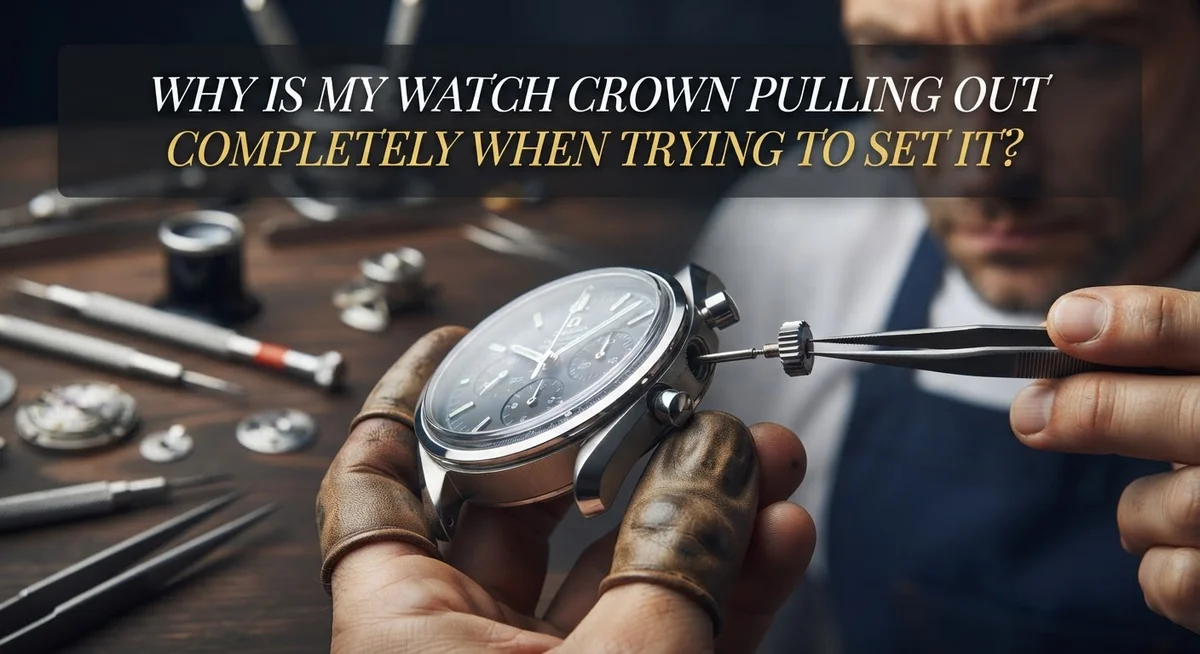
You reach down to set your watch, give the crown a gentle pull, and suddenly it comes out completely in your fingers. Frustrating, right? This is actually a more common problem than most watch owners realize.
When a watch crown pulls out entirely, it usually points to a specific internal mechanical failure. The setting lever, a small but critical component inside the movement, is often the main culprit. When this part wears down or breaks, it can no longer hold the crown stem in place properly.
Understanding why this happens helps you avoid making the problem worse. There are also some simple technique mistakes that can cause or speed up this kind of damage.
In a Nutshell
- The crown pulling out completely is almost always caused by an internal mechanical failure, not just user error.
- The setting lever is the key component involved. When it wears out or breaks, it can no longer hold the crown stem in place.
- Pulling the crown at the wrong angle or using too much force can trigger or worsen this problem significantly.
- Winding or setting your watch while wearing it creates uneven pressure on the crown, which stresses the internal mechanism over time.
- This is not a DIY fix. The setting lever sits deep inside the movement and requires a professional watchmaker to replace it properly.
- Using proper technique matters a lot for prevention. Always remove your watch from your wrist before adjusting the crown, and pull it straight out gently rather than at awkward angles.
How the Watch Crown and Stem Mechanism Actually Works
Your watch crown connects to an internal stem that runs through the movement. This stem has a specific job: it lets you wind the watch and adjust the time. The crown itself is just the external knob you hold.
Inside the movement, a small component called the setting lever controls everything. This lever acts like a gate. When you pull the crown, the setting lever engages and allows the stem to move in and out. When you push the crown back in, the setting lever disengages and locks the stem in place.
The stem sits in a precise position. It has a post that the setting lever grips. When you pull the crown, this post moves and triggers the lever to release. The whole system relies on exact alignment and proper mechanical tension.
Here’s what happens when it works correctly. You remove the watch from your wrist. You pull the crown straight outward with gentle, steady pressure. The setting lever engages smoothly. The stem extends just enough for you to adjust the time or date. You push the crown back in. The lever re engages and locks everything tight.
The problem occurs when this process breaks down. The setting lever post wears down or gets damaged. The lever can no longer hold the stem securely. Instead of staying in place, the stem slides out too far or falls out completely.
The mechanism also fails when you apply uneven pressure. Pulling at an angle, pulling too hard, or operating the crown while wearing the watch all stress the setting lever. The post bends or breaks under this pressure.
Understanding this internal dance helps you see why proper technique matters so much for prevention.
What Causes the Crown to Pull Out Completely
The crown pulls out completely when internal mechanical failure happens inside your watch movement. The setting lever is the main culprit here. This tiny component sits deep inside your watch and controls whether the crown stays engaged or releases.
When you pull the crown normally, the setting lever should hold it in place until you rotate it to the correct position. Once rotated, the lever allows the crown to come out smoothly. But when the setting lever wears down or breaks, it loses its grip on the stem. You pull gently, and the entire crown detaches in your hand.
Worn or damaged setting lever posts cause this problem most often. The post is where the lever connects to the movement. After years of use, this connection weakens. The lever can no longer hold the stem securely. Even light pressure makes the crown pop out completely.
Pulling the crown at the wrong angle makes things worse. If you yank sideways instead of straight out, you stress the setting lever. This uneven pressure accelerates wear and can snap the lever entirely. The crown then releases prematurely during your next adjustment attempt.
Winding or setting your watch while wearing it creates another major issue. The watch sits at different angles on your wrist. This creates uneven pressure on the crown. The setting lever experiences stress from multiple directions simultaneously. Over time, this repeated uneven pressure damages the mechanism.
Excessive force is another common mistake. Some people think they need to pull hard to set the time. Actually, the crown should come out with gentle, steady pressure. Forcing it damages the delicate internal components faster.
The Role of the Setting Lever in Crown Retention
The setting lever is a small but critical component inside your watch movement. This tiny part controls whether your crown stays engaged or pulls out completely during adjustment.
Here’s how it works. When you pull the crown, the setting lever catches and holds it in a specific position. This engagement keeps the crown from sliding out on its own. The lever acts like a mechanical lock that prevents accidental ejection while you’re winding or adjusting the time.
The setting lever post is where failure typically begins. This post is where the lever connects to the crown stem. When this post wears down or breaks, the lever can no longer grip the stem properly. The crown then slides out with minimal resistance, sometimes falling out completely.
Damage to the setting lever itself causes similar problems. If the lever bends, cracks, or loses its shape, it cannot hold the crown in place effectively. Even small amounts of wear accumulate over years of use.
Your technique directly affects how much stress this component experiences. Pulling the crown straight out applies even pressure. Pulling at an angle or at odd angles forces the setting lever to work unevenly. This uneven stress accelerates wear and can snap the lever suddenly.
Winding or adjusting your watch while wearing it creates additional problems. Your wrist movement applies pressure from different angles simultaneously. This shifting pressure strains the setting lever beyond its design limits.
The setting lever sits deep inside the movement where you cannot see it or access it yourself. Professional service is necessary to inspect, repair, or replace this component. A watchmaker can determine whether the post, lever, or both need replacement.
How to Tell If Your Setting Lever Is Worn or Broken
A worn or broken setting lever shows specific signs you can recognize. The crown pulls out too easily or falls out without warning. This happens because the internal component that holds the stem in place has lost its grip.
Pay attention to how much force you need to pull the crown. If it comes out with barely any pressure, your setting lever is likely damaged. A healthy mechanism requires deliberate pulling and slight resistance.
Listen for unusual sounds when adjusting the crown. Clicking, grinding, or popping noises suggest internal damage. These sounds mean the setting lever is no longer engaging properly with the stem.
Check if the crown pulls out at odd angles. A broken setting lever loses its ability to guide the stem straight. You might notice the crown tilts or moves sideways before detaching completely.
Watch for inconsistent behavior. Sometimes the crown stays put. Other times it pulls out unexpectedly. This unpredictability indicates a failing mechanism rather than a technique problem.
Examine the crown stem itself for damage. Look for bent metal, stripped threads, or visible wear where the stem connects. Physical damage here often accompanies setting lever failure.
Test the crown’s position when fully pushed in. It should sit flush with the watch case. A protruding or loose crown suggests the setting lever cannot hold it securely anymore.
Feel for grinding resistance when turning the crown to wind. Rough or scratchy sensations mean internal parts are damaged. The setting lever may be broken or severely worn.
A professional watchmaker can confirm the problem by opening your movement. They’ll inspect the setting lever directly and determine if repair or replacement is necessary. Don’t continue using a damaged crown mechanism, as this causes additional internal harm.
Common Mistakes That Lead to Crown Ejection
Most people make the same mistakes when operating their watch crown. Understanding these errors helps you prevent crown ejection before it happens.
The biggest mistake is adjusting your crown while wearing the watch on your wrist. When you do this, your wrist movement creates uneven pressure on the crown. The setting lever inside experiences stress from multiple directions at once. This uneven force damages the internal mechanism much faster than normal use would.
Pulling the crown at the wrong angle is another common error. Many people yank the crown straight out without rotating it first. The correct method requires you to rotate the stem gently before pulling outward. Pulling at awkward angles forces the setting lever to work outside its design limits.
Using excessive force is a frequent problem. You might think a harder pull will help, but it actually causes immediate damage. The setting lever post can bend or break under sudden pressure. Gentle, steady pressure is always the right approach.
Continuing to use a damaged crown mechanism makes things worse. Once you notice the crown pulling out too easily or at strange angles, stop using it immediately. Forcing the crown further damages internal parts beyond simple repair.
Winding your watch while wearing it combines multiple mistakes at once. Your wrist movement, uneven pressure, and the force of winding all stress the setting lever together. This is one of the fastest ways to cause complete crown ejection.
Remove your watch from your wrist before adjusting the crown. This single habit prevents most crown problems. Pull straight out, rotate gently, and use minimal force. These simple techniques protect your watch’s internal mechanism from unnecessary damage.
Proper Technique for Pulling and Setting Your Watch Crown
Pulling your watch crown out properly requires a specific technique that most people overlook. The key is understanding that your crown operates in two distinct stages: winding and setting.
Start by holding your watch firmly in one hand. Use your other hand to gently grasp the crown between your thumb and index finger. Your grip should be gentle but secure. Never squeeze hard or apply sideways pressure.
Next, rotate the crown slowly before pulling. If you’re winding, turn it several times in the forward direction. This motion primes the internal mechanism and prepares the setting lever for engagement. The setting lever is an internal component that controls when your crown can pull out safely.
Once you’ve rotated the crown a few times, begin your pull. Apply steady, straight pressure outward. Think of pulling directly away from the watch case, not upward or at an angle. Your pull should feel smooth and require minimal force. If you meet resistance, stop immediately.
Pull gently until the crown reaches the first position. This position lets you adjust the date on most watches. A second pull brings the crown out further for time setting. Each stage should feel natural and easy.
The critical point is consistency. Use the same technique every single time you adjust your crown. Repetitive improper technique wears down internal components faster than normal use.
If your crown pulls out completely without resistance, stop using it. This indicates internal damage. A professional watchmaker needs to inspect your movement and likely replace the setting lever mechanism. Continuing to force your crown risks additional damage to your watch’s internal parts.
What to Do Immediately After the Crown Pulls Out
The moment your crown pulls out completely, stop using it immediately. Your watch has an internal mechanical problem that requires professional attention. Continuing to use it will cause additional damage to the movement.
First, set the crown aside in a safe place. Do not try to push it back in or force it onto the stem. The internal mechanism has failed, and forcing the crown can break other components inside your movement.
Next, stop wearing your watch until you can have it serviced. Using a watch with a detached crown exposes the movement to dust, moisture, and debris. These contaminants will damage the delicate internal parts further.
Clean the crown stem gently with a soft, dry cloth. Remove any dirt or debris from the threads. Place both the crown and the watch in separate protective pouches or small boxes to prevent them from getting lost or damaged.
Document what happened before the crown pulled out. Note whether you were wearing the watch or holding it in your hand. Remember if you felt any resistance or heard any unusual sounds. This information helps your watchmaker understand what went wrong.
Contact a professional watchmaker as soon as possible. The setting lever inside your movement needs replacement or repair. This is not a repair you can do yourself, and delaying service only increases the risk of additional damage.
Do not attempt to operate the crown stem that remains in your watch. Turning or pulling it further will worsen the internal failure. Keep your watch in a cool, dry location until your appointment with the watchmaker.
When and Why You Need a Professional Watchmaker
Your watch crown pulling out completely signals an internal problem that requires professional expertise. The setting lever, a small internal component controlling crown engagement, has likely worn down or broken. This mechanism cannot be fixed at home.
A professional watchmaker has the proper tools and knowledge to diagnose exactly what failed inside your movement. They can open your watch safely without causing additional damage. They understand how your specific movement works, whether it’s a Seiko, Rolex, or vintage mechanism.
The setting lever post may need replacement if it’s worn. Sometimes the entire setting lever assembly requires service. Your watchmaker will determine which repair applies to your situation. They’ll also inspect the crown stem itself for damage that might have contributed to the problem.
Attempting DIY repairs risks destroying your movement permanently. The internal components are delicate and precisely calibrated. One wrong move can cause expensive additional damage. Professional watchmakers have insurance and experience handling thousands of watches.
Cost varies based on your watch type and damage extent. A simple service costs less than replacing major components. Your watchmaker can provide an estimate before starting work.
Time matters here. Continuing to use a damaged crown mechanism can harm other internal parts. The longer you wait, the more potential damage spreads.
Find a reputable watchmaker in your area through local recommendations or watch forums. Ask about their experience with your specific watch brand. Confirm they can source replacement parts if needed.
Professional service restores your watch to proper working condition. It prevents future crown problems from developing. Your watchmaker ensures everything functions correctly before returning your watch to you.
Final Thoughts
A watch crown pulling out completely is always a sign of internal mechanical failure. The setting lever inside your movement has worn down or broken. This is not something that fixes itself over time.
The good news is that this problem is fully repairable. A skilled watchmaker can replace the setting lever and restore your crown to full function. The key is acting quickly before further damage spreads to other parts of your movement.
Prevention starts with your habits. Always remove your watch from your wrist before adjusting the crown. Pull the crown straight out with gentle, steady pressure. Never yank or twist at awkward angles.
Rotating the crown slightly before pulling helps engage the mechanism smoothly. This small step reduces stress on the setting lever post. Over time, proper technique extends the life of your crown mechanism significantly.
Avoid winding or setting your watch while wearing it. The uneven pressure this creates accelerates wear on internal components. A few seconds of extra care each time you adjust your watch makes a real difference over years of use.
If your crown has already pulled out completely, the watch needs professional service. Do not try to push the stem back in and continue using it. Operating a damaged mechanism causes deeper internal damage that costs more to repair.
Keep the detached crown in a safe place and bring it to your watchmaker. They will need it during the repair process. A complete crown and stem helps the watchmaker match parts correctly.
Your watch is a precision instrument. Treating it with care and addressing problems early keeps it running accurately for many years ahead.
Frequently Asked Questions
Why does my crown pull out when I’m just trying to set the time?
The crown pulls out because an internal part called the setting lever has worn down or broken. This lever controls when your crown stays locked in place and when it releases. When this mechanism fails, the crown ejects completely instead of staying put during normal adjustment.
The most common reason this happens is pulling the crown at an angle rather than straight out. Uneven pressure damages the setting lever post over time. Another cause is operating the crown while your watch sits on your wrist, which creates uneven stress on the internal mechanism.
Can I fix this myself by pushing the crown back in?
No. Pushing the crown back in will not solve the problem. The internal setting lever remains damaged, so the crown will pull out again. Attempting to force it back or reassemble it yourself risks breaking other parts inside your movement.
Your watch needs professional service to replace the setting lever mechanism. A watchmaker has the proper tools to access your movement safely and repair the root cause.
What’s the fastest way to get this fixed?
Contact a professional watchmaker immediately. Bring your watch and the crown together. Do not attempt to operate the crown while you wait for service. The longer you delay, the more internal damage can occur.
A skilled watchmaker typically completes this repair within one to two weeks, depending on their workload and your watch type.
How do I prevent this from happening again?
Always remove your watch from your wrist before adjusting the crown. Pull the crown straight out, not at an angle. Rotate it gently first to engage the mechanism smoothly. Never wind or set your watch while wearing it, as this creates uneven pressure that damages internal components over time.

Hi, I’m Lucy Jones, a dedicated watch enthusiast and reviewer. I spend my time hunting down, testing, and evaluating the most intriguing wristwatches on the market. My goal is to guide you through the overwhelming choices with honest, hands-on insights into every timepiece.