Why Is My White Apple Watch Band Turning Green?
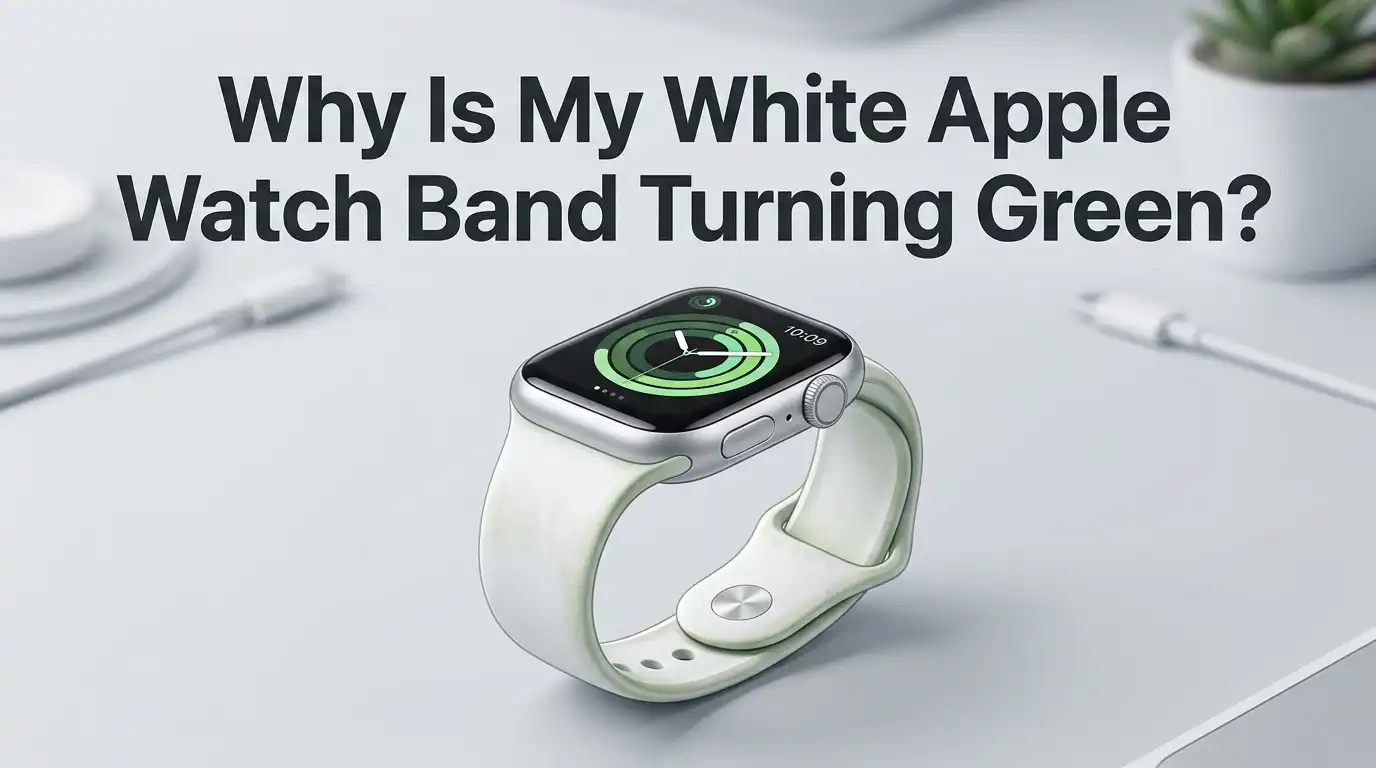
You bought a crisp, clean white Apple Watch band. It looked amazing on your wrist for the first few weeks. Then one day, you noticed it. A faint greenish tint slowly creeping across the surface of your once spotless band.
Now you are staring at it, wondering what went wrong and whether you can fix it. You are not alone. Thousands of Apple Watch owners report the same frustrating problem every year.
The green discoloration on white Apple Watch bands is surprisingly common, and it happens for several specific reasons. The good news? Most of those green stains can be removed.
In a Nutshell
- Sweat and body oils are the top culprits. Your skin produces natural salts and oils that react with the silicone or fluoroelastomer material of your watch band. Over time, this chemical reaction creates a visible green or yellowish green tint on white and light colored bands.
- Copper and metal contact cause green oxidation. If your Apple Watch case or the band’s connector pins contain trace amounts of copper, the metal can oxidize against the band. This oxidation leaves behind a green residue that transfers onto the white surface.
- Dye transfer from clothing is a sneaky cause. Dark jeans, colored sleeves, and other dyed fabrics can rub color onto your band without you noticing. Blue dyes from denim often mix with the white surface and appear greenish over time.
- Chlorine and pool water speed up discoloration. Swimming regularly with your white band exposes it to chemicals that break down the surface and trap colored residue. Chlorine can also react with metals on the watch, producing green deposits.
- Baking soda paste and a soft toothbrush remove most green stains. A simple mixture of baking soda and water applied with gentle scrubbing is the most popular and effective cleaning method reported by Apple Watch owners.
- Regular cleaning after workouts prevents buildup. A quick rinse with fresh water and a wipe with a damp cloth after each workout stops sweat and grime from staining the band in the first place.
Understanding the Green Discoloration on White Apple Watch Bands
White silicone and fluoroelastomer Apple Watch bands are highly porous at a microscopic level. This means they absorb tiny particles of dirt, sweat, oils, and dye over time. The green tint you see is usually not a single cause but a combination of factors working together.
The white color makes every trace of discoloration visible. A dark or colored band might develop the same buildup, but you would never notice it. White bands act like a canvas that shows every chemical reaction and stain clearly. This is why Apple Watch owners with white bands report green discoloration far more often than owners of other colors.
The green shade specifically points to oxidation from metals or a chemical reaction between your sweat and the band material. Both of these processes happen gradually, so the stain often appears suddenly even though it has been building for weeks.
Sweat and Body Oils Are the Primary Cause
Your body produces sweat that contains salts, amino acids, and natural oils. These substances sit on the surface of your watch band every time you wear it. On a white band, this residue accumulates and reacts with the silicone material over time.
The salt in your sweat is particularly reactive. It can interact with trace metals in the watch hardware and produce green copper salts. These salts deposit onto the band and create the greenish tint many people notice after a few weeks of regular wear.
People who exercise with their Apple Watch on are more likely to see this problem. Heavy sweating during workouts floods the band with moisture and salts, which speeds up the discoloration process. If you wear your band tightly, the sweat has less room to evaporate and stays trapped against the material longer.
Pros of understanding this cause: You can reduce the problem simply by rinsing the band after workouts. Cons: Sweat is unavoidable if you wear your watch daily, so you will need a consistent cleaning routine.
Copper Oxidation and Metal Contact
The connectors and pins that attach your Apple Watch band to the watch case often contain small amounts of copper or copper alloys. Copper reacts with moisture and air through a process called oxidation. This is the exact same process that turns the Statue of Liberty green.
When sweat or water gets between the band and the metal connectors, it accelerates this oxidation. The green byproduct, called copper carbonate or verdigris, transfers from the metal onto your white band. You will often notice the green stain is strongest near the connection points where the band meets the watch.
This type of stain is stubborn but not permanent. It requires targeted cleaning with a mild abrasive like baking soda. Simply wiping the band with water will not fully remove copper oxidation stains because the green residue embeds itself into the silicone surface.
Dye Transfer from Clothing and Fabrics
Many Apple Watch owners do not realize that their clothing is staining their watch band. Dark denim jeans are the biggest offender. The indigo dye used in jeans rubs off easily onto light surfaces, especially in warm and humid conditions.
When blue dye from jeans mixes with the natural yellowing caused by sweat, the result often looks green. This optical mixing effect makes people think the band has turned green when it is actually a blend of blue dye and yellow sweat residue.
Long sleeves, colored wristbands, and gym towels can also transfer dyes onto your white band. The friction between your wrist, clothing, and the band creates the perfect conditions for dye transfer. Pros of identifying this cause: Avoiding dark clothing contact is an easy fix. Cons: It is almost impossible to avoid all fabric contact during daily wear.
Chlorine and Pool Water Exposure
If you swim regularly with your Apple Watch, chlorine in pool water can contribute to green staining. Chlorine is a strong chemical that interacts with both the band material and any metals in the watch hardware. The combination of chlorine and copper traces creates green copper chloride deposits.
Several Apple Watch owners on community forums report that their bands started turning green after they began swimming regularly. One user noted that their pink band shifted to green after frequent pool sessions. The chlorine does not just stain the surface. It can also degrade the silicone over time, making it more porous and more likely to absorb future stains.
Apple recommends rinsing your watch and band with fresh water after swimming. This simple step washes away chlorine before it has time to react with the band material. Pros: Rinsing takes only seconds. Cons: If you forget to rinse even a few times, the chlorine buildup can cause visible staining.
How to Clean Green Stains with Baking Soda
The baking soda method is the most widely recommended solution among Apple Watch owners. It is simple, cheap, and effective for most green stains. Here is how to do it step by step.
Step 1: Remove the band from your Apple Watch. Step 2: Sprinkle a generous amount of baking soda directly onto the green stained areas. Step 3: Let the baking soda sit on the band for 10 to 15 minutes. Step 4: Dip a soft bristled toothbrush in warm water and add a small drop of dish soap. Step 5: Scrub the stained areas in small circular motions. Step 6: Rinse the band thoroughly under clean running water. Step 7: Pat the band dry with a lint free cloth.
The baking soda acts as a mild abrasive that lifts the embedded green residue from the silicone without scratching it. Pros: This method is safe, affordable, and works on most stains. Cons: Deep or old stains may require multiple treatments or a stronger approach.
Using a Magic Eraser for Stubborn Green Stains
A melamine foam sponge, commonly known as a magic eraser, is another popular solution for green stained Apple Watch bands. This material works as a very fine abrasive that can remove stains that soap and water cannot.
Dampen the magic eraser slightly with water. Then gently rub the green areas of your band using light pressure. The eraser will break down as you use it, which is normal. Work in small sections and check your progress frequently.
Many users on Reddit and Apple support forums have reported excellent results with this method. One user said their band “looked brand new” after cleaning it with a damp magic eraser. Pros: Extremely effective on surface level stains and easy to use. Cons: Too much pressure can remove the smooth finish of the silicone and leave it looking slightly matte or worn. Always use a light touch and test a small area first.
Isopropyl Alcohol and Other Cleaning Solutions
Apple officially states that you can use 70 percent isopropyl alcohol wipes on the exterior surfaces of your Apple Watch and bands. This makes rubbing alcohol a safe choice for cleaning green stains.
Dampen a lint free cloth or cotton pad with isopropyl alcohol and gently wipe the stained areas. The alcohol dissolves oils and breaks down some of the chemical residue causing the green tint. Allow the band to air dry completely before reattaching it to your watch.
Some users have also found success with white vinegar or a diluted hydrogen peroxide solution. However, these should be used carefully because acidic or oxidizing cleaners can degrade the band material if left on too long. Pros of isopropyl alcohol: Apple approved, fast drying, effective on oil based stains. Cons: It may not remove deeply embedded copper oxidation stains on its own.
When to Replace Your White Apple Watch Band
Sometimes a green stain is too deep to remove. If the band has been discolored for months without cleaning, the stain may have penetrated the silicone beyond the reach of surface cleaning methods. At that point, replacement becomes the practical choice.
You should also consider replacing your band if the material feels rough, sticky, or degraded. Prolonged exposure to sweat, chlorine, and UV light breaks down silicone over time. A damaged band is not just unsightly. It can also trap bacteria against your skin and cause irritation or rashes.
Think of white Apple Watch bands as consumable accessories. They look great when fresh but require regular maintenance and eventual replacement. Many owners keep a rotation of two or three bands to extend the life of each one.
How to Prevent Green Stains in the Future
Prevention is easier than cleaning. A few simple habits will keep your white band looking clean much longer. Rinse your band with fresh water after every workout or swim. This removes sweat, salt, and chlorine before they can react with the material.
Wipe down your band with a damp cloth at least once a week. Pay special attention to the areas near the metal connectors where copper oxidation is most likely. Remove the band from the watch during cleaning to reach all surfaces.
Avoid wearing your white band with dark denim or heavily dyed clothing. Roll up your sleeves or switch to a darker band on days when you know you will be wearing dark fabrics. Store your band in a cool, dry place away from direct sunlight to prevent UV damage and yellowing that makes green stains more visible.
Best Practices for Long Term Apple Watch Band Care
Good band care goes beyond stain removal. Rotate your bands regularly if you own more than one. This gives each band time to air out and dry fully between uses, which reduces bacterial growth and chemical buildup.
Do not wear your band too tightly. A tight fit traps sweat and reduces airflow, which speeds up staining and can also irritate your skin. Apple recommends a snug but comfortable fit that allows a small amount of air to circulate between the band and your wrist.
Keep the metal connectors clean as well. Use a dry or slightly damp cloth to wipe the stainless steel or aluminum pins on each end of the band. This reduces the chance of green copper residue forming at the connection points. Pros of a maintenance routine: Your band lasts longer and looks better. Cons: It requires a few minutes of effort each week, which is easy to forget.
What Apple Says About Cleaning Watch Bands
Apple provides official cleaning instructions on their support page. For silicone and fluoroelastomer sport bands, Apple recommends cleaning with a nonabrasive, lint free cloth. You can dampen the cloth with fresh water if needed.
For more thorough cleaning, Apple says you may use a 70 percent isopropyl alcohol wipe or a 75 percent ethyl alcohol wipe. These are safe for the band surface and will not void your warranty. Apple does not recommend soaking your band in any cleaning solution for extended periods.
Apple also advises keeping the band dry when not in use and avoiding prolonged exposure to direct sunlight. Following these official guidelines alongside the deeper cleaning methods above will give you the best results in keeping your white band free of green discoloration.
Frequently Asked Questions
Is the green stain on my Apple Watch band harmful to my skin?
The green stain itself is generally not harmful. It is typically caused by copper oxidation or dye transfer, neither of which poses a health risk for most people. However, if you notice skin irritation, redness, or itching under the band, you may have a sensitivity to the residue. Remove the band, clean it thoroughly, and let your skin breathe. See a doctor if irritation continues.
Can I put my white Apple Watch band in the washing machine?
It is not recommended. The agitation and heat in a washing machine can warp the silicone and damage the band’s shape. Stick to hand cleaning with mild soap, water, and baking soda. This gives you better control over the pressure and products used on the band.
How often should I clean my white Apple Watch band?
A quick rinse with fresh water should happen after every workout or swim. A deeper clean with baking soda or isopropyl alcohol should be done once every one to two weeks, depending on how often you wear the band and how much you sweat.
Will rubbing alcohol damage my Apple Watch band?
No, as long as you use 70 percent isopropyl alcohol. Apple officially approves this concentration for cleaning watch bands and exteriors. Avoid using higher concentrations or leaving alcohol on the band for extended periods, as it could dry out the material over time.
Why does only my white band turn green and not my darker bands?
Darker bands likely experience the same chemical reactions and staining. The difference is visibility. Green stains simply do not show on dark colored surfaces. White and light colored bands reveal every trace of discoloration, which is why the problem seems exclusive to lighter bands.
Can I use bleach to clean my white Apple Watch band?
Bleach is too harsh for silicone and fluoroelastomer materials. It can weaken the band, cause cracking, and strip the smooth surface finish. Stick to gentler options like baking soda paste, mild dish soap, or isopropyl alcohol for safe and effective cleaning.

Hi, I’m Lucy Jones, a dedicated watch enthusiast and reviewer. I spend my time hunting down, testing, and evaluating the most intriguing wristwatches on the market. My goal is to guide you through the overwhelming choices with honest, hands-on insights into every timepiece.