Polar Grit X2 Pro Review: Is It Worth Buying?
Are you looking for a watch that can keep up with your training? The Polar Grit X2 Pro might be the answer. It packs a lot into one tough device.
Polar built this watch for athletes who want accurate data. It uses dual frequency GPS with offline maps. You can track your route even without a phone signal.
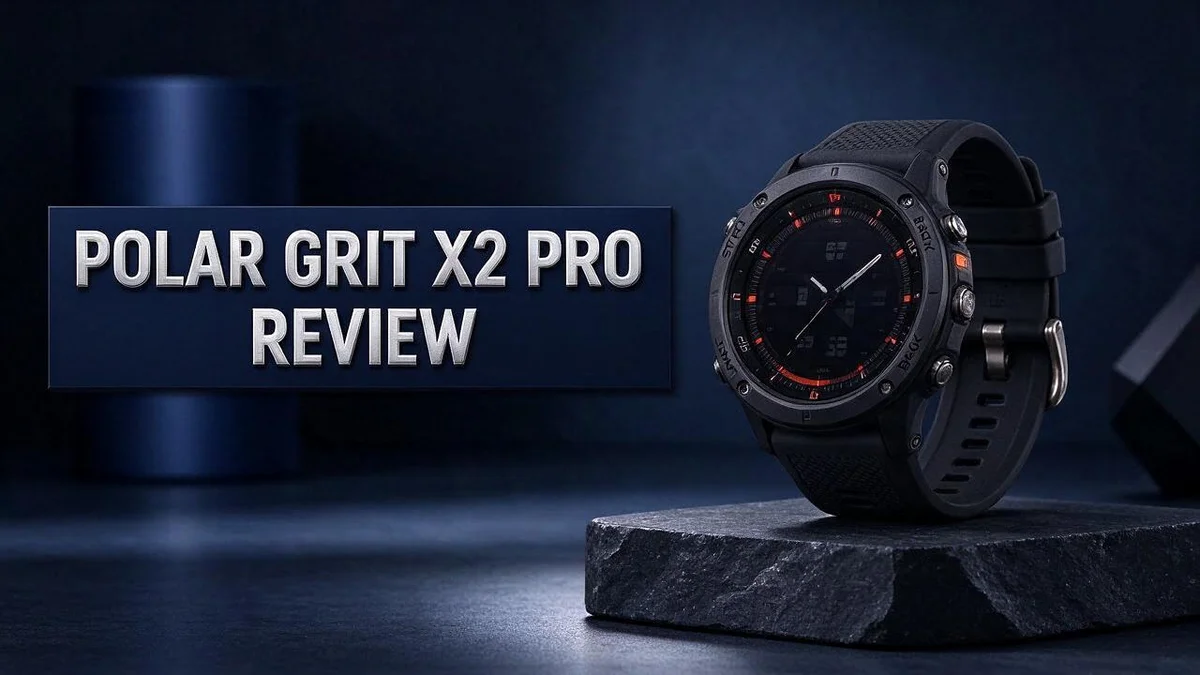
The screen is an AMOLED touchscreen with a scratch resistant sapphire crystal. Five buttons work alongside the touch display. Reviewers say the buttons feel more tactile than before.
In a Nutshell
- Dual frequency GPS keeps your routes precise. Runners and cyclists can download offline maps, so they can follow a route without carrying a phone. Your training data stays accurate on long trips in remote areas.
- Five buttons work alongside the touchscreen. You can press physical buttons or tap the screen. This flexibility helps during sweaty workouts, cold weather, or when your fingers are wet.
- Comfort matters more than size. The case looks big and chunky on the wrist. Still, most wearers find it comfortable during all day use, even while sleeping or training hard.
- It feels faster than the Grit X Pro. The watch responds quickly when you scroll through menus. Many users also say the buttons feel more tactile, which makes them easier to press mid run.
- Calorie numbers need a second look. The calorie burn data may not be fully reliable. For better estimates, pair the watch with a heart rate based calculator or a nutrition plan.
- The Titanium model stands out. It offers 100 meter water resistance and a lighter feel than the stainless steel version. Compare it with the Polar Vantage V3, Garmin, and Suunto before you decide.
Build and Materials

Last update on 2026-11-10 / Affiliate links / Images from Amazon Product Advertising API
The build quality of the Polar Grit X2 Pro feels solid from the start. You can tell that Polar focused on durability. Every part fits tightly together.
The outer shell uses a stainless steel finish. This material holds up well against daily knocks. It also handles bumps from gym equipment and trail rocks.
The edges feel smooth. Nothing feels sharp against your skin during long sessions. The case curves gently around the wrist, which helps comfort.
The strap plays a big role in daily comfort. A flexible band moves with your wrist during runs. Good contact also keeps the optical heart rate sensor steady.
The buttons feel solid. Each press gives clear feedback under your fingers. This tactile response helps when your hands are sweaty or cold.
Sealed components keep moisture out of the internal parts. This matters during rainy runs and sweaty workouts. Athletes who train outdoors will notice the difference.
The watch sits flat on the wrist when fitted well. A balanced case stops it from rotating during intense intervals.
Build quality shapes trust. Athletes rely on their watch for pace, distance, and heart rate. A solid build gives them confidence that the device will not fail mid session.
Regular cleaning keeps the case looking new. Rinse off salt and sweat after hard sessions. This small habit protects the metal finish over time.
Steel finishes age well when owners care for them. Light wear tends to blend into the metal over time. The case keeps a clean look for many seasons.
Owners should check the strap fit after the first few runs. Straps can loosen as they settle. A quick adjustment keeps the sensor close to the skin.
Overall, the build feels made for serious training. It suits daily use, from short jogs to long rides. Athletes can wear it through every season with confidence.
GPS and Training Performance
When you train hard, you need data you can trust. The GPS in this watch helps you track every stride. Strong accuracy gives you confidence on long runs and rides.
Pace and distance readings stay steady even in tricky spots. Tall buildings and dense trees can confuse weaker devices. This watch holds its position, so your splits make sense.
Training tools go beyond basic tracking. You can check your heart rate during intervals and adjust effort in real time. Pace and heart rate work together, so you train with purpose.
Long sessions become easier to manage. Up to 40 hours of training is possible with dual frequency GPS switched on. That number matters for ultra races and multi day adventures.
Trail runners face a different challenge. Steep hills and deep valleys can affect the signal. Dual frequency support helps keep the track clean, so your elevation and route stay accurate. Cyclists also gain from steady tracking on fast descents.
Heart rate tracking deserves attention too. The optical sensor reads your pulse from the wrist. Keep the watch snug during hard efforts for the best reading.
Rivals like Garmin and Suunto push hard in this space. The Polar Vantage V3 also offers a useful benchmark, since this model follows it. Compare the GPS results before you decide.
Training data helps you plan rest days. Look at your weekly totals to see whether you push too hard. Use these numbers to keep a steady build during a busy season.
Long battery life also means fewer charging breaks during a big training block. Plan your charging routine around race weekends so the watch stays ready.
Test your route first. Run a short session on a familiar loop before race day. This shows how the watch handles your local terrain and signal.
In short, this watch suits athletes who value precise location data. The training features help you measure progress with confidence. Choose it if your training depends on reliable numbers.
Comfort and Fit
Wearing a watch for hours tests comfort in ways that short trials never show. The real question is how the Polar Grit X2 Pro feels after a long day.
Fit starts with placement on the wrist. Sit the watch about one finger width above the wrist bone. This spot keeps the sensor close to your skin.
Good contact matters for accurate heart rate readings. A loose watch can bounce during a run. Snug but not tight is the goal.
Some people wear their watch overnight to track recovery. A correct fit makes sleep feel more natural. Check the strap before bed each night.
Heat and sweat change how a strap feels. Damp skin can cause rubbing after an hour in the sun. Check the fit midway through a hot session.
Cyclists often face a different challenge. The watch may rest against a handlebar grip or a jacket cuff. Move it slightly to keep the screen clear.
Layers of clothing also affect placement. Thick sleeves can push the watch up or down the arm. A quick glance before each session saves time.
Smaller wrists need extra attention. The case may overhang the edge of the wrist. Try several strap holes to find the best balance.
Wrists can change size during long efforts. Swelling is common on hot days or during big training blocks. Choose a setting that works in both the morning and evening.
Arm swing should never lift the case. A stable watch lets you focus on pace and effort. A good fit turns the watch into a quiet training partner.
Comfort grows with routine. Most runners adapt within a few days of regular wear. Keep the strap clean so it stays soft and supportive.
Take time to test the fit before race day. Wear the watch on a short walk and a light jog. Small adjustments now prevent big discomfort later.
Top 3 Alternatives
If you want a different watch, these three options are worth a close look. Each one offers strong tracking and a durable build. Here is how they compare.
Garmin Fenix 8

Last update on 2026-11-12 / Affiliate links / Images from Amazon Product Advertising API
Garmin Fenix 8 is a premium multisport watch. It packs in GPS tracking, detailed health metrics, and offline maps. Many runners and hikers love its long battery life. It also comes in several sizes and display choices. This watch suits people who want one device for training, travel, and everyday wear.
Suunto Race S

Last update on 2026-11-12 / Affiliate links / Images from Amazon Product Advertising API
Suunto Race S is a sleek option for athletes who value comfort. It feels light and easy to wear all day. The watch tracks running, cycling, and swimming with clear data. Its bright display makes workouts simple to read. It also gives training guidance that helps you plan your next session.
COROS Vertix 2
No products found.
COROS Vertix 2 is built for adventure. It handles rough conditions and long outdoor trips with ease. Its GPS accuracy helps you stay on course in the backcountry. Battery life stands out on multiday expeditions. It works well for mountaineers, trail runners, and explorers who need reliable navigation.
Pick the watch that fits your goals. Read reviews from real users and try each option if you can. Your choice should match the way you train and explore.
Health and Recovery Tracking
Health data looks impressive on a bright screen. But you need to know which numbers to trust. This section shows how to use the Polar Grit X2 Pro for health and recovery in a smart way.
Start with heart rate trends, not single readings. One number during a sprint tells you very little. Look at how your heart rate rises and falls across a full week. Patterns reveal far more than a single moment.
Treat calorie numbers as a rough guide. Reviewers report that calorie burn data is unreliable. Use it only as a loose estimate. Your meals should follow your hunger, energy, and goals instead.
Compare the data with how you feel. Write a short note after each session. Record your energy, sleep, and soreness. Over time, you can match these notes with the watch data. This habit shows whether hard weeks build fitness or wear you down.
Check your resting pulse each morning. Sit up in bed and notice your usual morning pulse. A higher reading than normal often signals fatigue, stress, or illness. When that happens, take an easier day and listen to your body.
Know what optical sensors can miss. The sensor reads your pulse through the skin on your wrist. Intense intervals and cold weather can affect the readings. If you manage a health condition, talk with a doctor before making big choices from your data.
Balance hard days with easy ones. Recovery matters as much as training. Plan at least two easy sessions after a tough block. Let your body absorb the work before you push again.
Make the habit consistent. Check your data at the same time each day. Consistent timing makes trends easier to read. Small routines lead to clearer insights over months.
Health tracking works best as a partner, not a judge. Use the watch to guide your choices. Trust your instincts as well. Smart habits turn numbers into useful action.
Battery Endurance
The Polar Grit X2 Pro reportedly reaches 10 days of battery life in everyday use. That figure suggests a watch that rarely needs a charger. Your habits still shape the real result.
Screen settings make a big difference. A bright display uses more power than a dimmed one. Lowering brightness and shortening the screen timeout can add days to your battery.
Notifications also drain power. Every buzz and light wakes the screen. Turn off alerts you do not need, such as app updates or social media pings.
Watch your battery during the first week. Track how much charge you lose each day. Note the drop after a walk, a workout, or a night of sleep tracking. This shows your personal pattern.
Cold weather can shorten battery life. Winter sessions in low temperatures often drain power faster than summer runs. Wear the watch under a jacket sleeve when the temperature falls.
Charging takes a little planning. Plug in during a shower or while you eat breakfast. A short top up keeps you ready for a surprise session.
GPS mode choice also matters. Use a simpler setting on easy routes where precision matters less. Save the most accurate GPS setting for race days or tricky trails.
Firmware updates can improve power use over time. Check for updates in the companion app. Install them when your watch is fully charged.
Plan your battery use before a trip. Charge fully the night before and pack the cable. A small cable fits easily into any travel bag.
Small habits give you the most control. Set up your watch once and adjust a few settings. Then you can enjoy longer days on the trail without worrying about the battery.
Pros and Cons
Pros
- Strong GPS accuracy for outdoor runs and rides.
- Offline maps help you navigate without a phone signal.
- The sapphire crystal screen resists scratches.
- Five buttons work alongside the touchscreen.
- It feels faster and more responsive than the Grit X Pro.
Cons
- Big and chunky on the wrist.
- Some reviews mention recurring issues.
- Shoppers who want a slim watch may look elsewhere.
Who Should Buy It
Serious outdoor athletes sit at the top of the list. If you train several times a week, you will use this watch every day. Its long training battery window suits big weekend sessions.
Trail runners and mountain bikers also gain a lot here. Remote routes often lack phone coverage, so a watch that handles navigation alone feels helpful. Rugged trails also demand a sturdy case, and the stainless steel build suits rough use.
Triathletes and multisport fans may also benefit. Switching between sports is easier when the watch handles many training modes. Frequent switchers will appreciate that flexibility. Many triathletes prefer one device for every discipline.
Indoor gym lovers may not need this model. Strong outdoor GPS adds little benefit on a treadmill or bike trainer. Simpler watches could serve them well.
People with small wrists should try it on first. The large case may feel awkward during long sessions. Ask about return options before you commit.
Current Polar owners form another natural group. Upgraders can compare it with the Vantage V3 before deciding. Their existing training habits may carry over easily.
Competitors deserve a look too. Garmin and Suunto offer strong options for buyers who want other ecosystems. Compare features side by side before choosing.
Diet focused buyers may want a different tool. Nutrition apps often give more reliable food data. Keep this watch for training, not meal tracking.
Final tip: read several recent reviews. Newer feedback shows how updates have changed the watch. Check the return policy before you order.
Casual walkers should think twice. Light workouts and basic step counts rarely need this much power. A simpler fitness band may suit them better.
Race day planners also benefit. Long events reward a watch that lasts through the full effort. Steady pacing often leads to better results. Test your gear on training runs first.
Final Verdict
The Polar Grit X2 Pro earns its place as a strong outdoor watch. It packs serious training tools into one rugged body. Most active people will find plenty to enjoy here.
Speed is one of the biggest wins. Compared with the Grit X Pro, the watch responds faster. Menu changes feel smoother during long sessions, so your focus stays on the workout.
Heart rate data needs a careful eye. The optical sensor works well during steady efforts. However, it can lag during fast intervals or hard climbs.
A chest strap can close that gap for many athletes. Pairing one gives sharper numbers for interval work.
Calorie totals deserve less trust. Reports describe this data as unreliable, so treat it as a rough guide only. Focus on pace, distance, and heart rate zones instead.
Your training style decides the answer. A runner chasing route detail or a triathlete tracking several sports may love the depth. A casual user who wants a light watch for daily wear may feel differently.
The titanium version adds extra appeal for swimmers. Reports note 100 m water resistance on that model. Check the exact version you plan to buy before you decide.
Upgrading from an older Polar watch depends on your goals. The Vantage V3 remains a clear point of comparison. Ask yourself which features you will use every week.
Daily comfort matters too. Many wearers forget the watch is on during the day. That makes it easier to wear for all day tracking and sleep data.
In short, this watch suits committed athletes. It rewards people who train often and read their data closely. If that describes you, the Grit X2 Pro can become a trusted training partner.
Frequently Asked Questions
What does 100m water resistance mean?
It means the watch handles rain, sweat, and pool splashes with ease. Water resistance ratings test pressure, not deep diving. Check the label before you take it into deeper water.
Which rivals should I compare it with?
The main rivals are Garmin and Suunto. The Polar Vantage V3 is also worth a look. Compare GPS accuracy, battery life, and comfort side by side. That gives you the clearest picture.
Is this watch a good first sports watch?
It can feel like a lot for new users. Many features and menus take time to learn. Start with a few key screens. Add more features as you get comfortable.
Can it handle long training days?
Yes, it can. The watch offers up to 40 hours of training with dual frequency GPS on. Plan your sessions around that limit if you train for long stretches. Pack a charger for multi day events.

Hi, I’m Lucy Jones, a dedicated watch enthusiast and reviewer. I spend my time hunting down, testing, and evaluating the most intriguing wristwatches on the market. My goal is to guide you through the overwhelming choices with honest, hands-on insights into every timepiece.