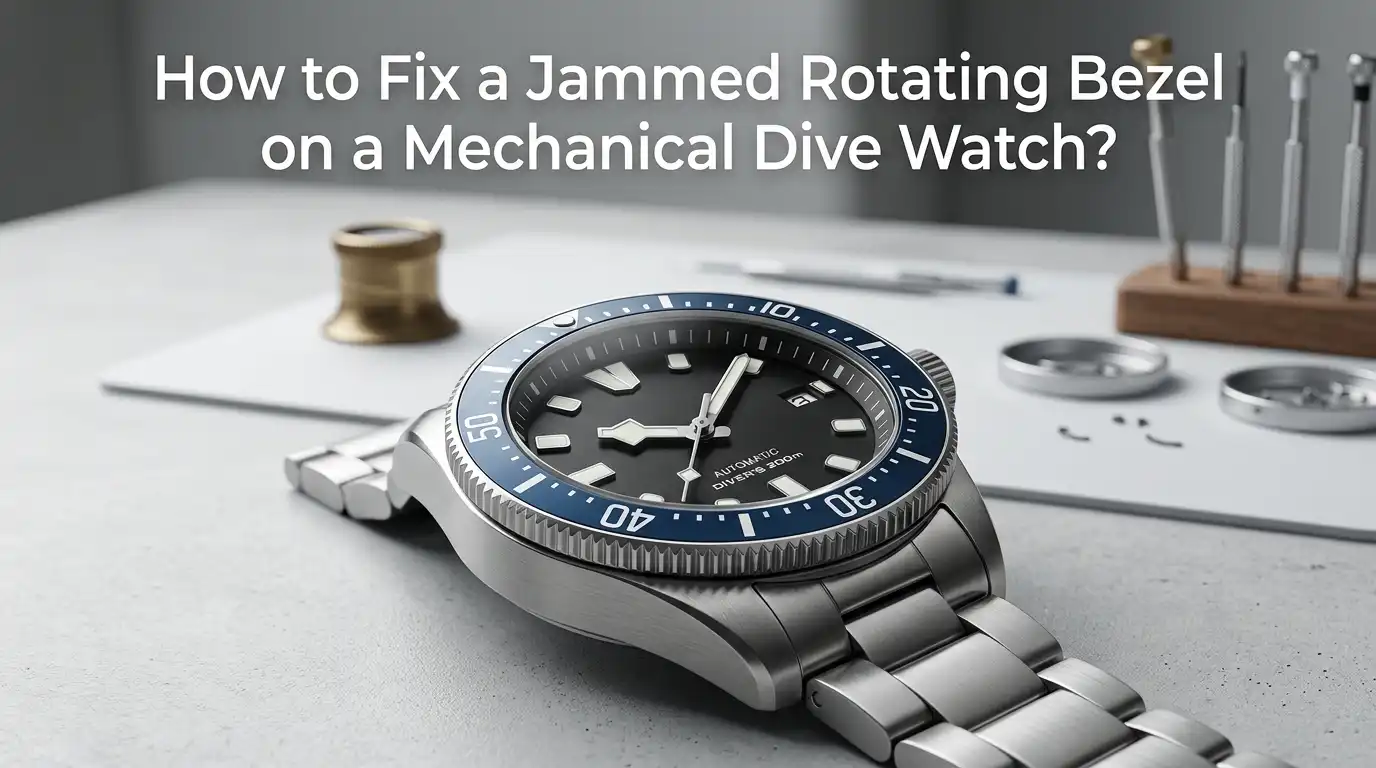
How to Fix a Jammed Rotating Bezel on a Mechanical Dive Watch?
A jammed rotating bezel can ruin the feel of a good mechanical dive watch. You try to turn it, and it either will not move at all or feels rough, gritty, and uneven. That can feel frustrating, especially if the watch was working fine a few days ago.
The good news is that many bezel jams come from simple dirt, salt, dried soap, sunscreen, or fine sand. In many cases, you can fix the problem at home with safe cleaning steps and a little patience. That is the key point. You do not need to rush into a full repair on day one.
This guide walks you through the safest fixes first. It also shows you when to stop, when to avoid risky shortcuts, and when a watchmaker is the smart choice. If you want a practical answer without fluff, you are in the right place.
Key Takeaways
- Most stuck bezels jam because dirt gets trapped under the ring. Salt, sand, dried sweat, soap, bug spray, and sunscreen are common causes. A bezel can also feel tight because old grease has dried out. In many cases, the problem sits around the outer gap, not deep inside the movement. That is why simple cleaning often works first.
- Start with the safest method before trying anything stronger. Fresh water, mild dish soap, and a soft toothbrush solve many bezel problems. Turn the bezel gently during cleaning if it still moves a little. If it is fully locked, let water and soap do the early work. Do not force it right away. Force can bend parts, chip the insert, or scratch the case.
- Avoid harsh shortcuts. WD40, strong solvents, and random oils may feel like fast fixes, but they can create more trouble. They may leave residue, reduce grip, or affect seals and adhesives. Heat can also cause trouble. A quick fix that harms the gasket is not a real fix.
- Simple tools can help, but each tool adds risk. Dental floss can lift dirt from the bezel gap. Tape can protect case edges during careful work. A soft pick may help in some cases. But sharp blades, metal prying, and rough twisting can mark the watch fast. The more force you use, the more careful you must be.
- Some watches need parts work, not cleaning. If the click spring is bent, the bezel gasket is swollen, or the bezel was fitted too tightly, cleaning alone may not solve the issue. In that case, the watch may need the bezel removed, cleaned, re greased, or fitted with a new spring or gasket.
- Know when to stop. If the watch is vintage, expensive, recently serviced, or still under warranty, a professional repair is often the best path. The same is true if the bezel insert is loose, the crystal area is fragile, or water resistance matters. A careful stop can save a costly mistake.
What Usually Causes a Dive Watch Bezel to Jam
A rotating bezel usually jams because something gets trapped under it. Fine sand is a common cause. Salt crystals can also build up after ocean use. Sweat, soap residue, sunscreen, and dust can turn sticky and collect in the gap around the bezel.
Sometimes the bezel is not dirty. The problem can come from a dry or swollen gasket. Old grease can harden. A click spring can bend or shift. On some watches, the bezel is simply fitted too tight from the start. Vintage watches add another issue. Old adhesives and worn parts can create drag.
The cause matters because the fix changes with it. Dirt needs cleaning. A bad spring needs parts work. A swollen gasket may need replacement. If you guess wrong and use force, you can make a small problem bigger. Start by assuming dirt is the cause, because that is the most common and the safest place to begin.
Check These Safety Points Before You Start
Before you clean anything, do a quick safety check. Make sure the crown is fully screwed down or pushed in. If the watch has visible crystal damage, stop. If the bezel insert already looks loose, stop. If the watch is a vintage piece with fragile parts, slow down and plan carefully.
Look at the bezel from the side. Check for dents, case damage, or a gap that looks uneven. If the bezel already lifts on one side, do not twist or pry it. Also think about water resistance. If the watch has not been pressure tested in a long time, be careful with soaking.
A two minute check can save a big repair bill. If your watch is still under warranty, DIY work may not be worth the risk.
Pros: Safe start, lowers damage risk, helps you pick the right fix.
Cons: It does not solve the problem on its own, and some issues remain hidden until the bezel comes off.
Try the Fresh Water Rinse First
The first method is the safest and easiest. Use fresh lukewarm water. Put some water in a bowl. Then place the watch in the water for a short rinse. If the bezel still moves a little, rotate it back and forth gently while it is wet. This can help loosen salt and grit.
This step matters most after beach use, pool use, or diving. Salt dries into crystals. Sand can sit under the bezel and make it feel rough. A simple rinse often softens that buildup enough to bring movement back.
Do not force the bezel during this step. Use steady finger pressure only. If it moves a little, that is a good sign. If it stays locked, move to the next method.
Pros: Very safe, cheap, simple, good first step after salt or sand exposure.
Cons: It may not remove sticky residue, dried grease, or compact grit that has been trapped for a long time.
Use Mild Soap and Warm Water for a Deeper Clean
If plain water does not help, use mild dish soap with warm water. Add a small drop of soap to a bowl of water. Let the watch sit for a short time. Then work the bezel gently if it has any movement. The goal is to let the soapy water reach the gap and loosen grime.
Keep the water warm, not hot. Hot water can create problems for seals and old adhesive. Mild soap breaks down oily dirt better than plain water. That makes it useful for sunscreen, bug spray, body oil, and daily grime.
After a short soak, rinse the watch again with clean water. Then dry it with a soft cloth and check the feel. Many sticky bezels improve at this stage.
Pros: Better than plain water for sticky residue, easy to do at home, low cost.
Cons: It still may not fix a bezel with damaged parts, and it should be avoided if you do not trust the watch’s water resistance.
Clean the Bezel Gap with a Soft Toothbrush
A soft toothbrush can do more than most people expect. Put a little mild soap on the brush. Then scrub around the outer edge of the bezel. Focus on both the top gap near the crystal and the lower edge near the case. Use light pressure. Let the bristles do the work.
This method helps because dirt often sits right at the edge. You do not need to see the grit for it to affect movement. Brush in small circles. Rinse. Then brush again. If the bezel moves, turn it a little between rounds to help flush out more dirt.
Keep your touch light. A stiff brush or aggressive scrubbing can leave marks around polished surfaces.
Pros: Good for lifting sand and dried residue, easy to control, cheap and widely available.
Cons: It cannot reach deep parts if the bezel is fully packed with debris, and a hard brush can scratch soft finishes.
Use Dental Floss if Dirt Is Trapped in the Gap
If the bezel still feels stuck, dental floss can help lift dirt from the gap. Use plain or waxed floss with care. Work a short section into the bezel gap where space allows. Move it gently around the edge. The idea is to pull out grit, not to saw into the watch.
This method works best when the bezel has a narrow line of trapped dirt around the case. You may see dark residue on the floss. That is a clue that the method is helping. Go slowly and do not force thicker floss into a tight space.
Be patient here. If the floss starts to fray or snap, stop and pull it out carefully. A broken strand trapped under the bezel creates a new problem.
Pros: Cheap, gentle, useful for trapped dirt, no metal contact.
Cons: Slow, can break if forced, may not work on very tight bezels, and it does not fix bent springs or swollen gaskets.
Should You Add Lubrication or Grease
Lubrication sounds like an easy answer, but this step needs care. In general, cleaning comes before lubrication. If dirt is still under the bezel, grease only mixes with the dirt and makes a mess. On some bezels, a small amount of gasket safe silicone grease can help after proper cleaning and partial disassembly.
This is not the same as dripping random oil into the gap. Light oil can free a stuck bezel in some home fixes, but it can also reduce grip, attract more dirt, and create trouble near seals or inserts. If you do not know the gasket material or the watch design, stay conservative.
For most owners, lubrication is best saved for after the bezel is removed and cleaned. That gives you control and reduces guesswork.
Pros: Can restore smooth feel after cleaning, helpful for dry gaskets in the right setup.
Cons: Easy to overdo, can trap dirt, may affect seals or grip, and can hide the real problem for a short time.
Why WD40 and Harsh Chemicals Are a Bad Idea
Many people reach for WD40 because it frees stuck household parts. A dive watch bezel is different. Harsh sprays and petroleum based products can leave residue, attract grime, and raise concern around rubber parts, adhesives, and seals. They also make the bezel slippery, which can reduce grip.
Strong solvents create another risk. Some older bezels use fragile inserts or old glue. Vintage pieces can react badly to liquids, especially if the insert is bakelite or the paint is old. Even if the bezel starts turning, the watch may be worse off later.
A fast result does not always mean a safe result. If a method feels aggressive, it usually is.
Pros of avoiding harsh chemicals: Lower risk, cleaner repair path, better for long term care.
Cons: Safe methods may take longer, and stubborn bezels may still need disassembly or pro service.
When Careful Bezel Removal Becomes the Next Step
If cleaning from the outside fails, the bezel may need to come off. This is where risk rises fast. The safe approach is to protect the case with tape, use the correct tool, and work slowly from the right lifting point. Some watches have easy bezel removal. Others do not. Some cases even use fixed screws or special designs that should not be touched.
Once the bezel is off, you can clean the underside, the spring area, and the bezel channel. You can also inspect the gasket and click spring. This often reveals the real cause of the jam.
If you have never removed a bezel before, think hard before trying on a valuable watch. A slipped tool can scratch the case in one second.
Pros: Gives full access for proper cleaning and inspection, can solve recurring jams.
Cons: Highest DIY risk, easy to scratch the case, can bend the bezel or damage the insert if done badly.
Signs the Click Spring or Gasket Is the Real Problem
A dirty bezel usually feels rough or gritty. A bad click spring or gasket often feels different. The bezel may be locked in one area only. It may click weakly. It may feel too loose in one section and too tight in another. It may also lift slightly or wobble.
A bent click spring can block movement. A swollen gasket can create drag all around. A dry gasket can make the bezel feel sticky and uneven. If the bezel jam keeps coming back after cleaning, parts wear becomes much more likely.
This is the point where repeat failure tells a story. If two careful cleaning rounds help for only a short time, stop assuming the issue is dirt. The watch may need a new spring, a new gasket, or better fitting parts under the bezel.
When a Watchmaker Is the Best Fix
A watchmaker is the smart choice in several cases. Choose that route if the watch is expensive, vintage, under warranty, or important to you. Also go professional if the bezel insert is fragile, the case design is unusual, or you suspect internal wear.
A watchmaker can remove the bezel with the right tool, clean the parts, replace the spring or gasket, and check water resistance after the work. That last step matters. A dive watch should do more than look fixed. It should still seal well.
There is no shame in stopping before damage starts. Good repair judgment is part of watch care.
Pros: Best safety, proper tools, parts diagnosis, pressure testing, cleaner final result.
Cons: Costs more, takes time, and may feel unnecessary for a low cost beater watch.
How to Prevent the Bezel from Jamming Again
Prevention is simple and very effective. Rinse the watch with fresh water after salt water or pool use. Turn the bezel gently during the rinse if it moves. Dry the watch well after cleaning. Keep soap, sunscreen, bug spray, and thick grime from sitting on the bezel for days.
Do a quick soft brush clean now and then, especially in summer. If the watch starts to feel a bit stiff, act early. Light buildup is easier to clear than a full jam. Also get the watch checked on a sensible service schedule if you use it often in water.
Small care beats big repair. That is the easiest lesson here.
Pros: Low effort, low cost, protects feel and function, reduces future repair needs.
Cons: It needs consistency, and it cannot stop every issue caused by worn parts or factory fit.
A Simple Step by Step Plan You Can Follow Today
If you want the short action plan, use this order. First, screw the crown down and inspect the watch for visible damage. Second, rinse it in fresh lukewarm water. Third, use mild soapy water. Fourth, scrub the bezel edges with a soft toothbrush. Fifth, try dental floss only if dirt seems trapped in the gap.
If the bezel frees up, rinse again, dry it, and monitor it. If it keeps jamming, think parts, not dirt. If the watch is valuable or delicate, skip DIY removal and go to a watchmaker. If you do remove the bezel, use proper protection and expect a higher risk level.
The best method is the least aggressive one that actually works. Start safe. Move slowly. Stop before force takes over.
FAQs
Can I fix a jammed bezel without removing it?
Yes, often you can. Many bezel jams come from salt, sand, soap, or sticky residue near the outer gap. Fresh water, mild dish soap, a soft toothbrush, and patient cleaning solve many cases. If the bezel stays locked after careful cleaning, removal or parts work may be needed.
Is it safe to soak a mechanical dive watch in water?
It can be safe if the crown is fully secured and the watch still has good water resistance. Use lukewarm water, not hot water. If the watch is old, damaged, or has unknown sealing condition, keep the exposure limited or let a watchmaker handle the job.
Should I use WD40 on a stuck bezel?
No. It may seem helpful at first, but it can leave residue, attract dirt, reduce grip, and create concern around seals and adhesives. A dive watch bezel needs a cleaner and safer approach.
What if the bezel turns but feels gritty?
That usually points to dirt or sand under the bezel. Start with fresh water and mild soap. Rotate the bezel gently during rinsing. Then clean the edge with a soft toothbrush. Gritty feel often improves with flushing and brushing.
How do I know if the click spring is damaged?
A damaged click spring often causes uneven resistance, weak clicks, or a lock up in one section of rotation. If the problem returns soon after cleaning, the spring or gasket becomes a stronger suspect.
Can a watchmaker restore water resistance after bezel work?
Yes, that is one of the big reasons to use a professional. A watchmaker can clean or replace bezel parts and then test the watch. That helps make sure the watch still performs like a dive watch should.

Hi, I’m Lucy Jones, a dedicated watch enthusiast and reviewer. I spend my time hunting down, testing, and evaluating the most intriguing wristwatches on the market. My goal is to guide you through the overwhelming choices with honest, hands-on insights into every timepiece.