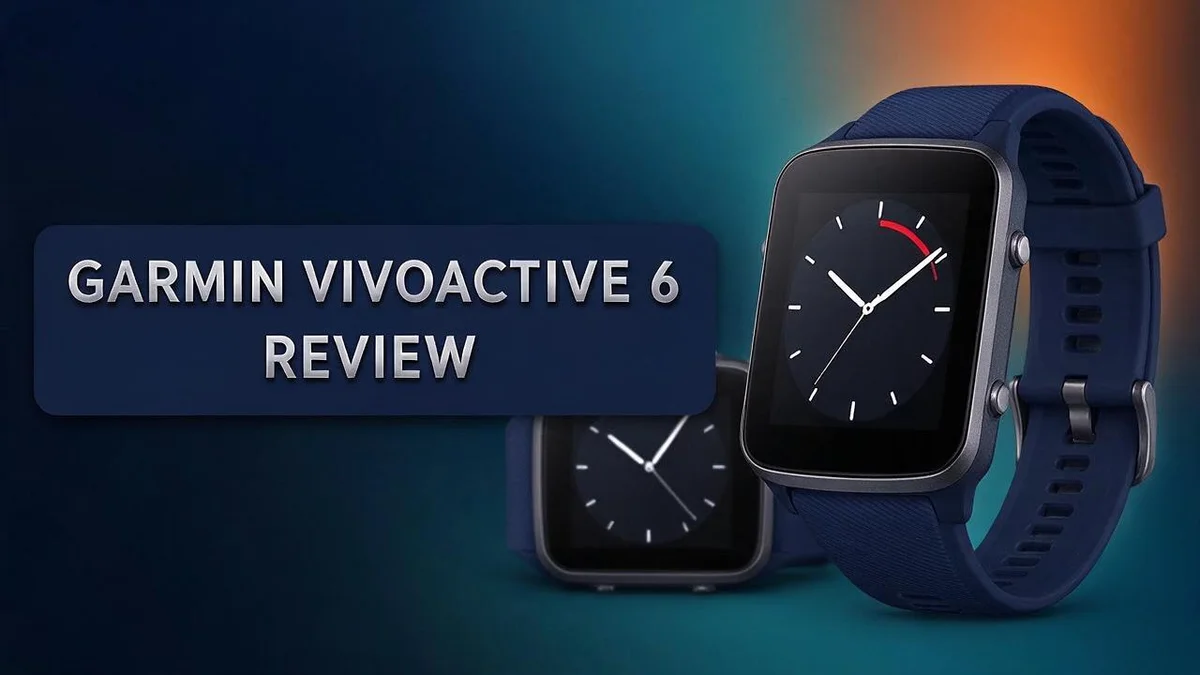
Garmin vivoactive 6 Review: Display, Health Tracking, GPS Battery Life and Verdict
Looking for a smart watch that fits your daily life? The Garmin vivoactive 6 might be the one. It is light and comfortable.
The bright AMOLED screen shows your stats clearly. The 1.2 inch display has a sharp 390 by 390 resolution. You can read it in sunlight or dim rooms.
Battery life is a big win here. You get up to 11 days on one charge. That means fewer trips to the charger.
Health tracking is strong too. Body Battery shows your energy levels. Sleep Coach helps you build better rest habits. You also get over 80 built in activities for workouts.
Is it perfect? Not quite. GPS battery lasts about 20 hours. The watch also feels less premium than the Fenix 8. Read on to see who should buy it.
In a Nutshell
-
Light and comfortable all day. The vivoactive 6 feels easy on your wrist. Its minimalist look works for the office, the gym, and casual outings.
-
Over 80 built-in activities. You can track running, cycling, swimming, and many other workouts. The large exercise library keeps your routine fresh.
-
Smart energy and sleep insights. Body Battery shows how much energy you have left during the day. Sleep Coach helps you understand your nights and plan better rest.
-
Accurate GPS for everyday runs. Your route and pace stay on track during most outdoor sessions. However, the GPS battery lasts only about 20 hours.
-
A few quirks to know. Cadence lock can act up, as it does with most watches. The build also feels less premium than the Fenix 8.
-
A strong pick for balanced needs. It suits people who want fitness tracking without a complicated setup. Other Garmin options like the Venu 4 and Forerunner 170 Music may suit different training goals.
Design and Comfort

Last update on 2026-10-29 / Affiliate links / Images from Amazon Product Advertising API
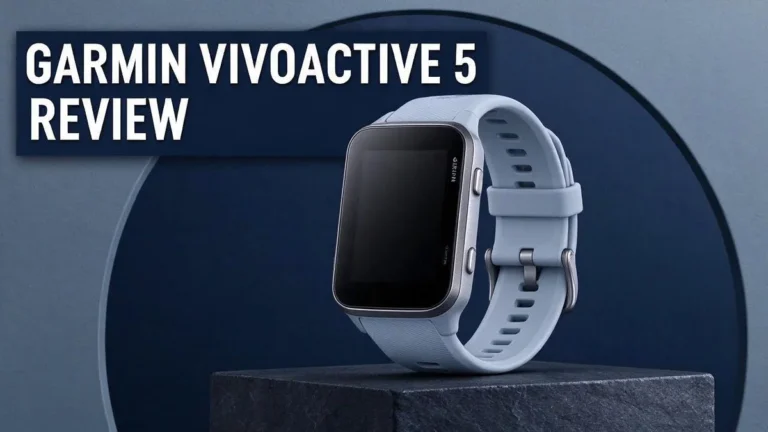
The design of the vivoactive 6 keeps things simple. Its clean face and slim profile suit most casual outfits. You can wear it to the gym, the office, or a weekend hike without swapping watches.
The 1.2 inch display sits inside a compact case. This size helps the watch look balanced on smaller wrists. Larger wrists also look good with it because the case never feels oversized.
The strap matters as much as the case. A soft band holds the watch close without pinching your skin. You can adjust the fit in small steps, which helps during long workouts when your wrist swells a little.
Many people wear a watch overnight to track sleep. This model stays easy to wear in bed. Its thin body rests comfortably against your wrist while you sleep on your side.
Daily wear brings up another point. The vivoactive 6 does not feel heavy during desk work or errands. You often forget it is on your arm until a notification buzzes.
The finish feels less premium than the Fenix 8. Some buyers will notice this when they compare both watches side by side. The build shows its midrange roots, so it lacks the solid look of higher models. Still, the finish looks clean and works well for everyday use.
If you want a watch that feels high end, the Fenix 8 may suit you better. The vivoactive 6 focuses on everyday comfort instead. That focus makes it a good match for daily routines.
Comfort is the main strength of this design. Few watches fit so well across a full day. Your wrist will feel relaxed from morning meetings to evening runs.
Before you buy, check your wrist size. Measure around your wrist with a soft tape. This simple step helps you choose the right fit from the start.
Try the watch on for a few hours if you can. Notice how the strap sits after you move, type, and climb stairs. Small details like this shape long term comfort.
Display Quality and Readability
Reading your watch should feel quick and easy. The display on this model helps you do exactly that. Let’s look at what makes the screen work well for daily use.
Sharp text makes a real difference. The screen packs 390×390 pixels into a small face. Words and numbers look crisp. Even small notification text stays easy to read.
Colors pop against dark backgrounds. AMOLED panels light each pixel on their own. Blacks look deep, and colors look rich. Watch faces with bold graphics look especially lively.
Glancing down takes only a second. Your eyes need quick answers during a workout. Pace, distance, and heart rate sit in clear layouts. You can check them mid stride without slowing down.
Contrast helps you read in different lighting. Indoors, the screen looks clean and soft. Outdoors, the content stays visible for most sessions. You rarely need to squint to see your numbers.
Text stays easy to scan. Notifications and workout labels use clear fonts. Short phrases and clean icons help you understand data fast.
Text size matters too. The screen gives you enough room for simple data fields. You can pick layouts that show only what you need. Fewer numbers on screen means less clutter and faster reading.
Viewing angles feel natural. You can look at the watch from the side and still see clear content. This helps when you check it while lifting your arm or cycling. The content stays readable as you move.
Low light views stay comfortable. Dim rooms call for a softer look, and the screen handles that well enough for quick checks at night. Your eyes will not feel strained during a short glance.
A small trade off exists. Some people want a larger face for tiny data fields. Others may prefer a more premium look on the glass and case. For most daily readings, this display does the job well.
Health Tracking and Sleep Insights
Health tracking is a big reason many people pick this watch. It collects data all day and all night, so you can see patterns over time.
Sleep insights work quietly in the background. You wear the watch to bed, and it shows how your night went when you wake up.
Sleep Coach gives you guidance based on your recent sleep. Small changes, like an earlier bedtime, can show clear results over a week.
Your body energy also matters. Body Battery rises while you rest and drops as you move, stress, or work. Checking it before a hard workout helps you choose the right effort.
Think of your sleep and energy as one story. Poor sleep often lowers your energy the next day, and the watch helps you spot that link.
Better rest also supports recovery. After a tough session, a good night helps your body bounce back. Check your readiness before you plan intense training.
Stress tracking adds another layer. The watch reads your heart rate and movement to estimate stress levels during quiet moments. A high reading can remind you to pause, breathe, or take a short walk.
Daily habits shape the numbers too. Steps, workouts, and rest days all feed into your scores, so the data reflects real life.
Look for trends, not single days. One low score means little. A pattern across two weeks tells you far more about your health.
Heart rate data supports this view. Resting heart rate often drops as your fitness improves, which gives you a simple progress marker.
Use the insights as a guide, not a diagnosis. If you notice ongoing problems with sleep or breathing, talk with a doctor.
Setting a routine helps the most. Try the same bedtime each night and check your sleep summary each morning. Over time, these small steps build healthier habits that you can feel.
Top 3 Alternatives
Looking for another fitness tracker? These three options can help you choose the right fit. Each one offers something a little different.
Fitbit Charge 6

Last update on 2026-10-27 / Affiliate links / Images from Amazon Product Advertising API
The Fitbit Charge 6 tracks your steps, sleep, and heart rate all day long. It includes built in GPS for outdoor runs and bike rides.
You can also check your stress levels and daily readiness score. Its bright screen is easy to read in sunlight. It works well for anyone who wants simple health goals.
Amazfit Active 2

Last update on 2026-10-28 / Affiliate links / Images from Amazon Product Advertising API
The Amazfit Active 2 offers a bright display and a sleek, lightweight design. It tracks workouts, heart rate, and sleep with ease.
You get built in GPS so you can map your route without carrying your phone. Battery life is a major strength. You can wear it for many days before you need to charge it.
Coros Pace 3

Last update on 2026-10-29 / Affiliate links / Images from Amazon Product Advertising API
The Coros Pace 3 is made for runners and triathletes. It feels light and comfortable during long training sessions.
It offers accurate GPS tracking and detailed training data. You can plan workouts and sync them with your favorite apps. Battery life lasts a long time, even with GPS turned on. It suits athletes who put performance first.
GPS Accuracy and Battery Endurance
Location accuracy matters most when you run, ride, or hike outdoors. This watch tracks your route well for its class.
Your pace and distance usually stay close to reality. Many users find their routes look clean after each session.
GPS works best with a clear view of the sky. Tall buildings and dense trees can slow the signal down.
Try this before you start. Step into an open area and wait a moment. This gives the watch time to lock onto satellites.
Accuracy shows up most on curves and tight turns. A steady signal keeps your track smooth, while weak signals can create zigzags.
Cadence lock can drop during fast intervals. Most watches share this habit, so it is not a unique flaw.
Saved routes also help you explore new trails. A clear path means you spend less time checking your wrist.
Your distance totals matter for training plans. Small errors add up over a month, so consistency counts.
Battery life depends on how you use the watch. Constant GPS use changes the math fast.
Daily wear is where this watch shines. Garmin rates it at up to 11 days per charge.
Normal use with notifications and sleep tracking uses far less power than an active workout.
GPS mode is a different story. Testers at OutdoorGearLab found about 20 hours of GPS battery.
That number matters for long races or big hiking days. Plan a full charge before you start.
Some rival watches push GPS endurance further. The Pace 4 reportedly doubles GPS endurance, which may suit ultra runners.
Small habits help you save power. Turn off extra features you do not need during a long session. Keep your phone connection steady, too.
Test the watch on a familiar route first. Compare it with your phone or a known distance marker. This shows you how it performs in your area.
Bottom line: the battery feels generous for daily life. For marathons and long trail runs, plan extra charging time.
Pros and Cons
Pros
- Lightweight design feels comfortable on your wrist all day.
- A minimalist look fits both the gym and the office.
- More than 80 built-in activities cover almost any workout you try.
- Long battery life lasts several days between charges.
Cons
- GPS battery runs for only about 20 hours.
- It feels less premium than the Fenix 8.
- The rival Pace 4 reportedly doubles GPS endurance.
Who Should Buy It
This watch fits people who want one device for everything. It works for a busy day that moves from desk to gym to dinner. You do not need to swap watches for each part of life.
New runners and walkers make a good match. The watch keeps things simple. You can start a session and focus on moving rather than navigating menus.
Beginners who feel nervous about tech gadgets can relax. Setup feels straightforward, and the watch connects to your phone with ease. Simple tasks take only a tap or two.
Gift buyers often find this watch an easy choice. It suits many ages and styles. Partners, parents, and friends can all wear it with comfort.
Fitness beginners can use it as a motivating companion. Daily activity goals nudge you to move more. Small wins add up over several weeks.
Anyone switching from a basic fitness band will notice the upgrade. You gain more sport modes and deeper health data in one step.
Casual weekend hikers and cyclists can rely on it for short outings. Plan a full charge before longer days on the trail.
Busy professionals and parents often value a modest look. It fits nicely in meetings, at school pickup, and at family dinners.
Frequent travelers can also benefit. The light frame sits comfortably during flights and long train rides. Pack a charger for longer trips.
Skip this watch if you train for ultra races or trips lasting several days. Those goals ask more from a battery than this model can give. A dedicated endurance watch serves those plans better.
Style lovers who want jewelry style finishes may want other options. Compare materials and colors before you decide.
Ask yourself three quick questions before you buy. Do you need one watch for daily life and light workouts? Do you want simple sleep and energy insights?
If both answers are yes, this watch deserves a close look. It covers everyday needs well.
Final Verdict
The Garmin vivoactive 6 earns a strong spot on the wrist. It suits people who want one watch for daily life and light training.
Start with your main goal. If you chase race podiums or long mountain routes, a more advanced GPS watch may serve you better.
Its biggest win shows up in ordinary routines. You can track movement, sleep, and energy levels without digging through complicated menus.
Give the watch one month before you judge it. Your first few weeks will show how well it fits your wrist and your habits.
Plan a simple charging spot near your bed. A fixed spot makes it easy to remember the watch every night.
Serious endurance athletes may feel limited. Long GPS sessions drain the battery much faster than daily use does.
Your phone also matters here. The watch pairs best when your phone stays close, so keep both devices nearby during workouts.
Check for software updates now and then. Updates can add features and improve how the watch works over time.
Compare the rivals before you decide. The Forerunner models suit runners who want deeper training tools. The Venu 4 suits people who prioritize a sleek look above all.
Match the watch to your weekly routine, not your dream plans. If you mostly walk, lift weights, and track sleep, this watch fits the job well.
Skip this watch if you need top materials or heavy GPS use. The Fenix 8 remains the better pick for those needs.
No watch replaces medical advice. This one offers helpful daily insight that can guide your choices.
Share this review with friends or family who want a new watch. They can compare their goals with the features and decide for themselves.
Final take: this watch fits everyday fitness well. Pick it if you want a clean look, friendly tracking, and steady daily performance.
Frequently Asked Questions
Is the screen easy to read outdoors?
Yes, the bright display helps. The 1.2-inch AMOLED screen shows vivid colors and sharp detail. Quick glances give you key stats in seconds, even on a sunny trail. You rarely need to squint or adjust settings.
What does Body Battery measure?
Body Battery gives you a simple energy score from 0 to 100. It estimates your energy using rest, sleep, and daily stress. Use it as a guide before a hard workout or a long day. A low score suggests a lighter session.
Can I connect outside sensors?
Yes, the watch supports ANT+ and Bluetooth. You can pair heart rate straps or bike sensors that use these standards. Check compatibility before you buy extra gear. Paired sensors can add useful detail to your workouts.
Is it good for serious running plans?
It handles daily runs and light training well. For race prep, a dedicated running watch may suit you better. The Forerunner 170 Music is worth a look if running leads your goals. Pick the device that matches your main sport.

Hi, I’m Lucy Jones, a dedicated watch enthusiast and reviewer. I spend my time hunting down, testing, and evaluating the most intriguing wristwatches on the market. My goal is to guide you through the overwhelming choices with honest, hands-on insights into every timepiece.